Bjørvika After Dark
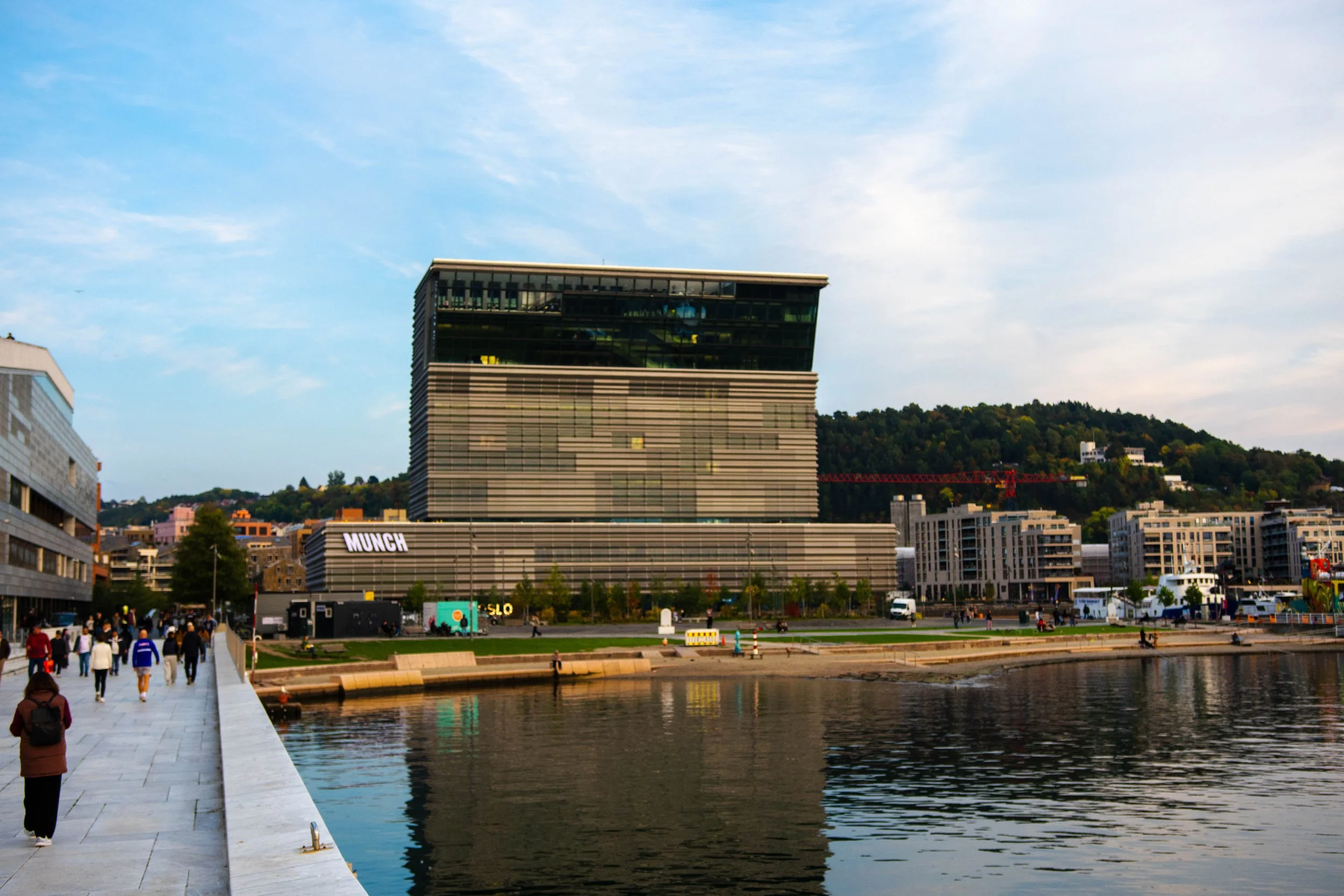
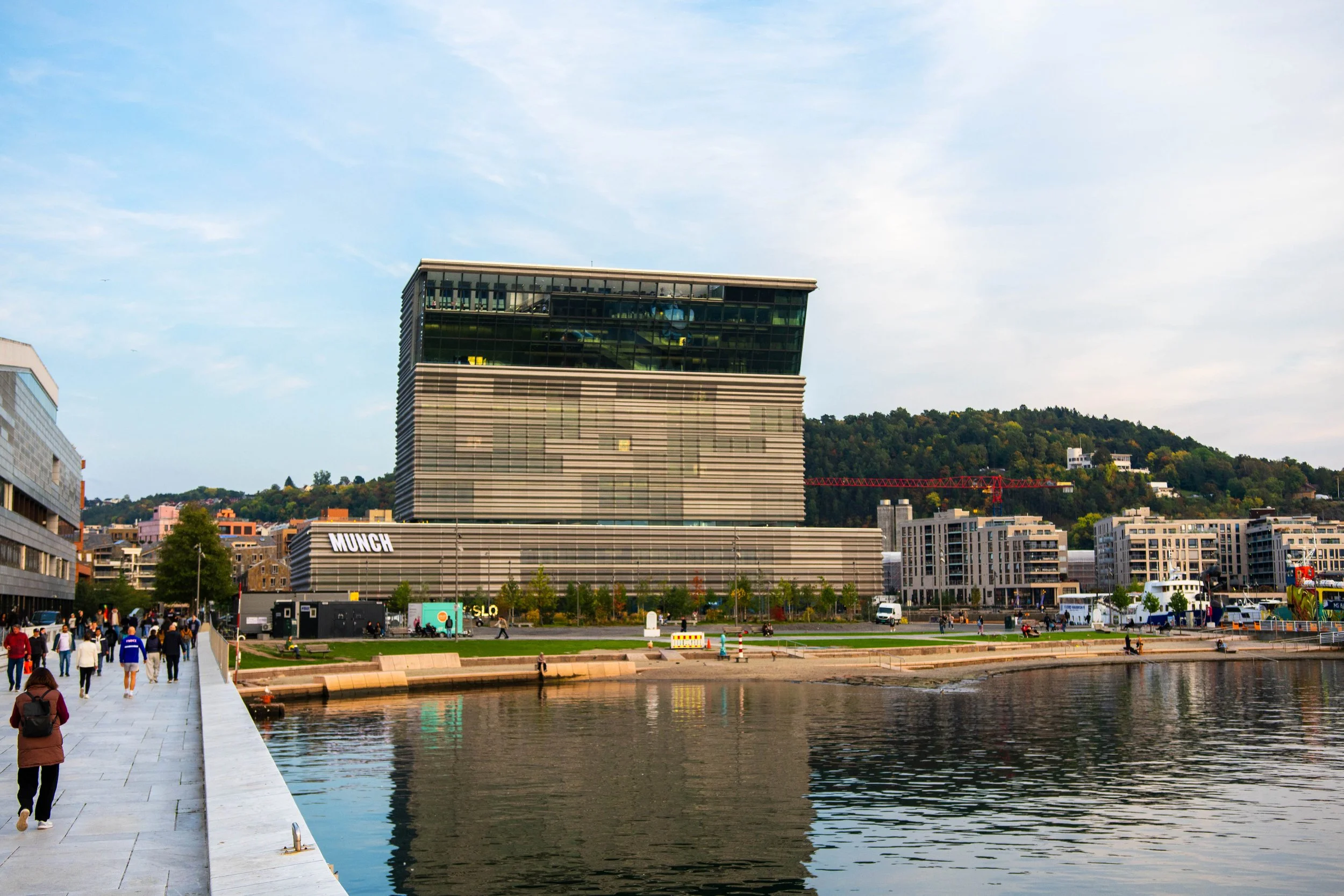
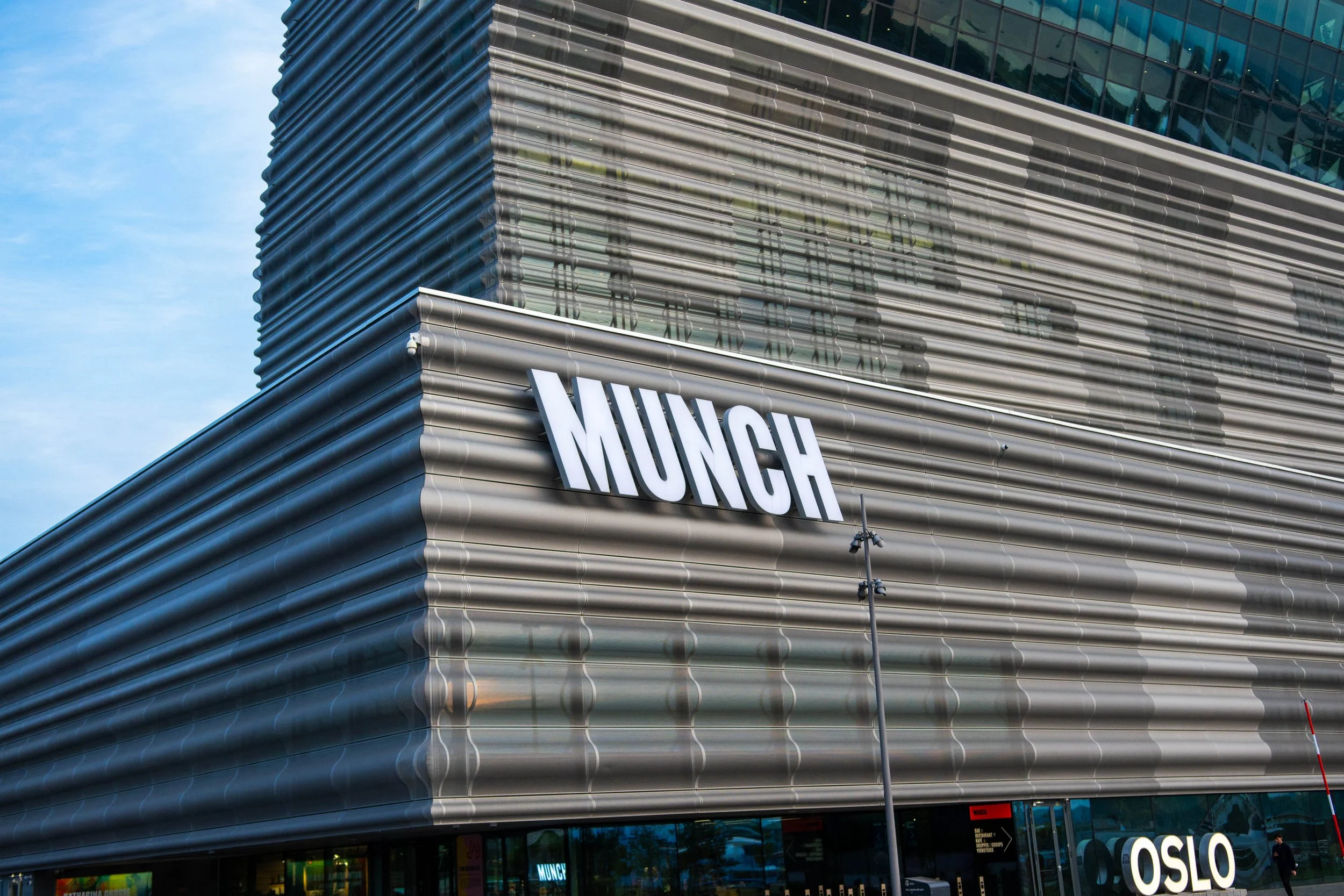
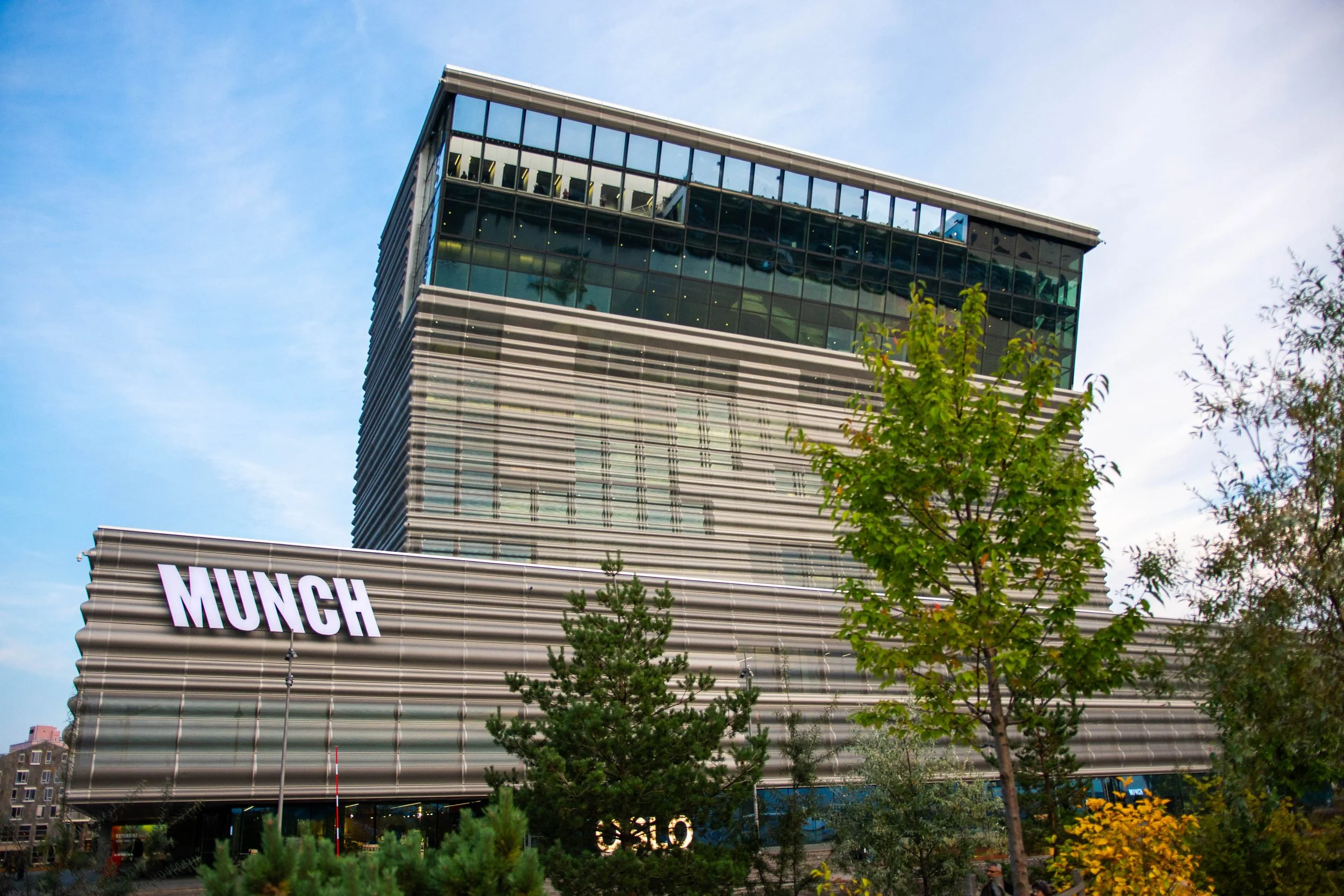
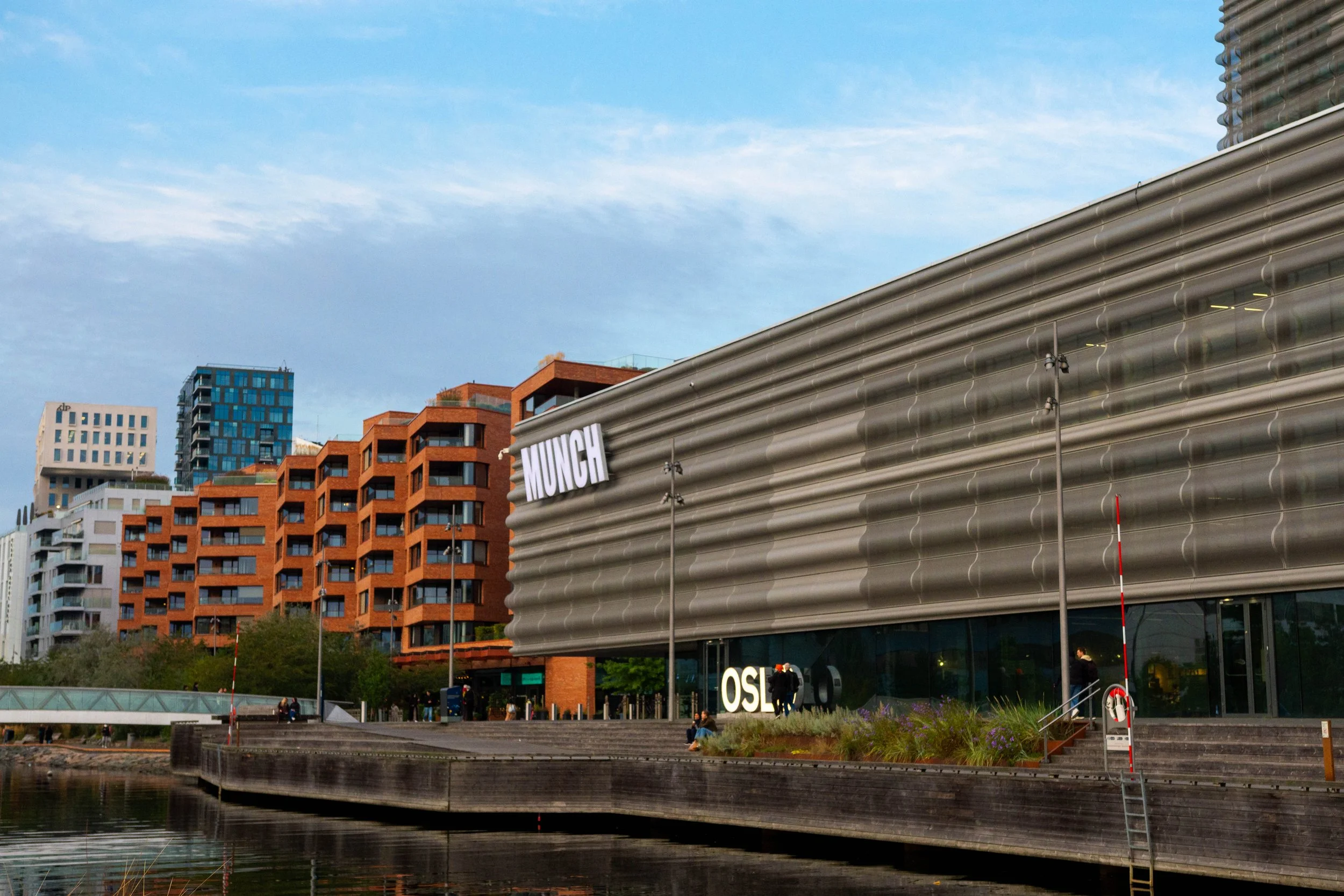
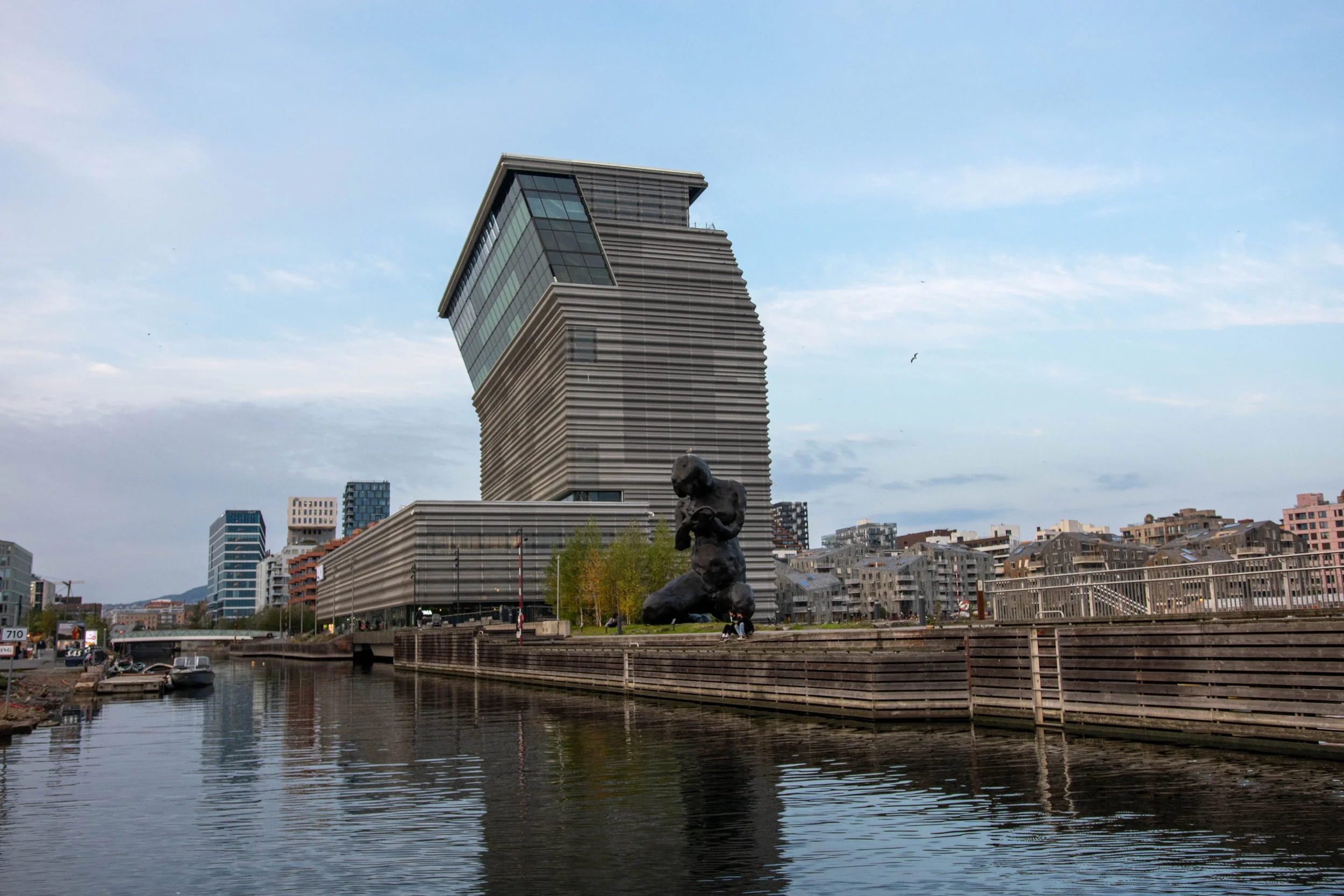
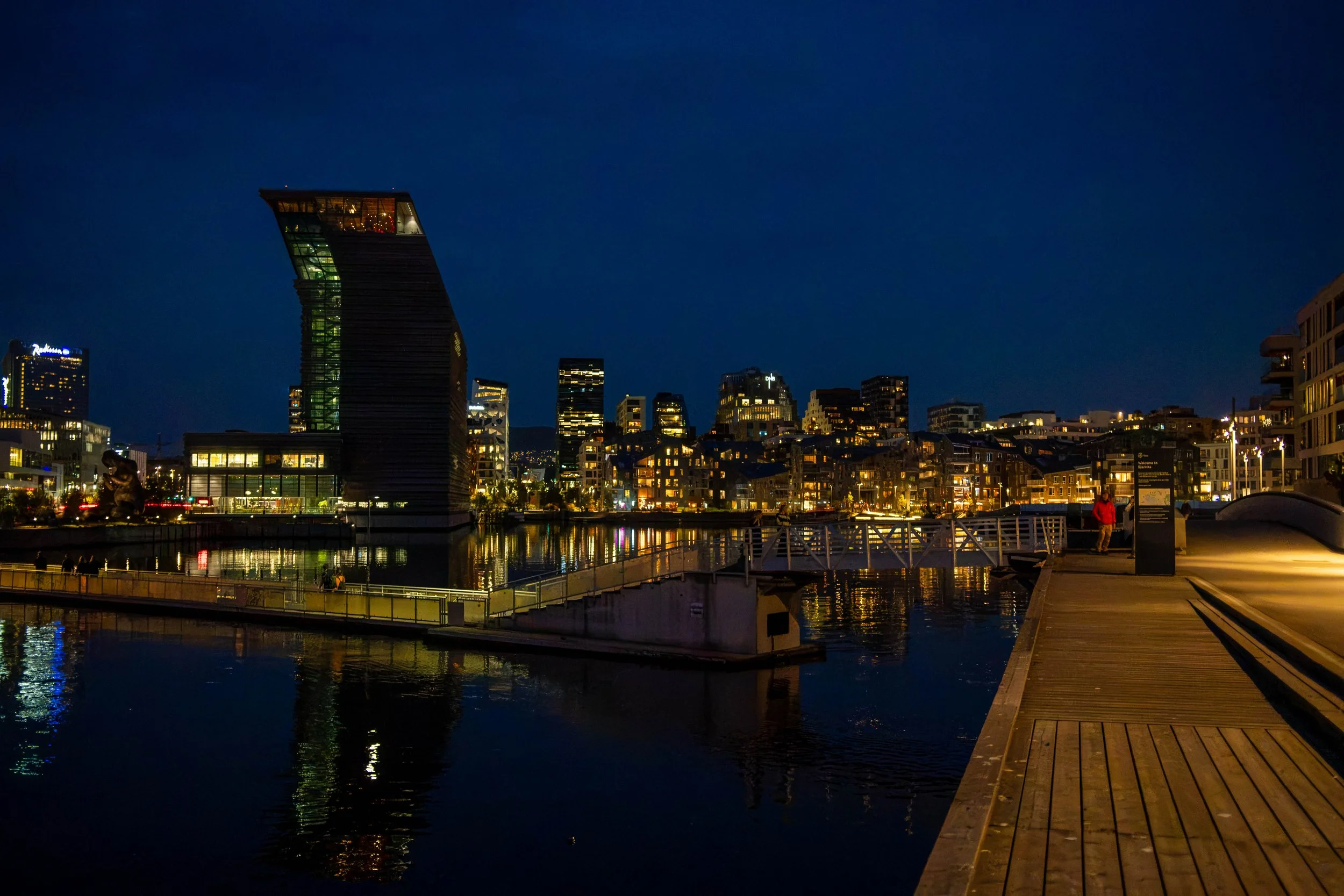
A few days ago, I joined three fellow photographers for an evening walk through Bjørvika, one of Oslo's most modern and visually striking districts. What started as a casual photography outing turned into several hours of exploring architecture, reflections, and the changing light as day gradually gave way to night. We began our walk at the Oslo Opera House, arguably one of Norway's most recognizable modern buildings. Even after many visits, the building remains a fascinating subject for photography. Its distinctive marble surfaces and sharp geometric lines create endless possibilities for compositions, especially when viewed from different angles around the waterfront. From the Opera House, we continued towards the MUNCH museum. Rising above the harbour, the museum has become an unmistakable feature of Oslo's skyline. The contrast between its angular architecture and the surrounding water creates interesting photographic opportunities, particularly in the late afternoon when the light reflects off the building's façade.
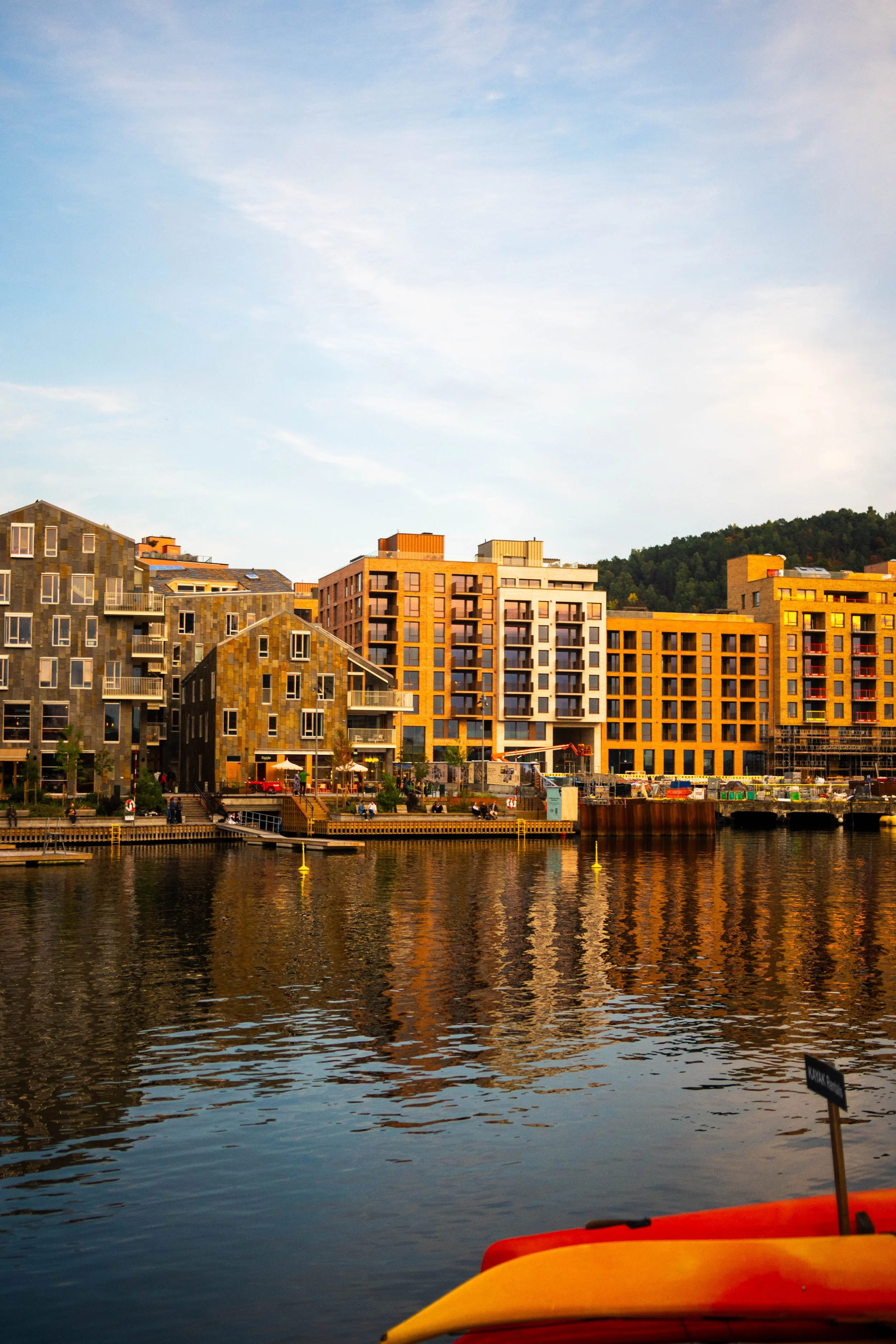
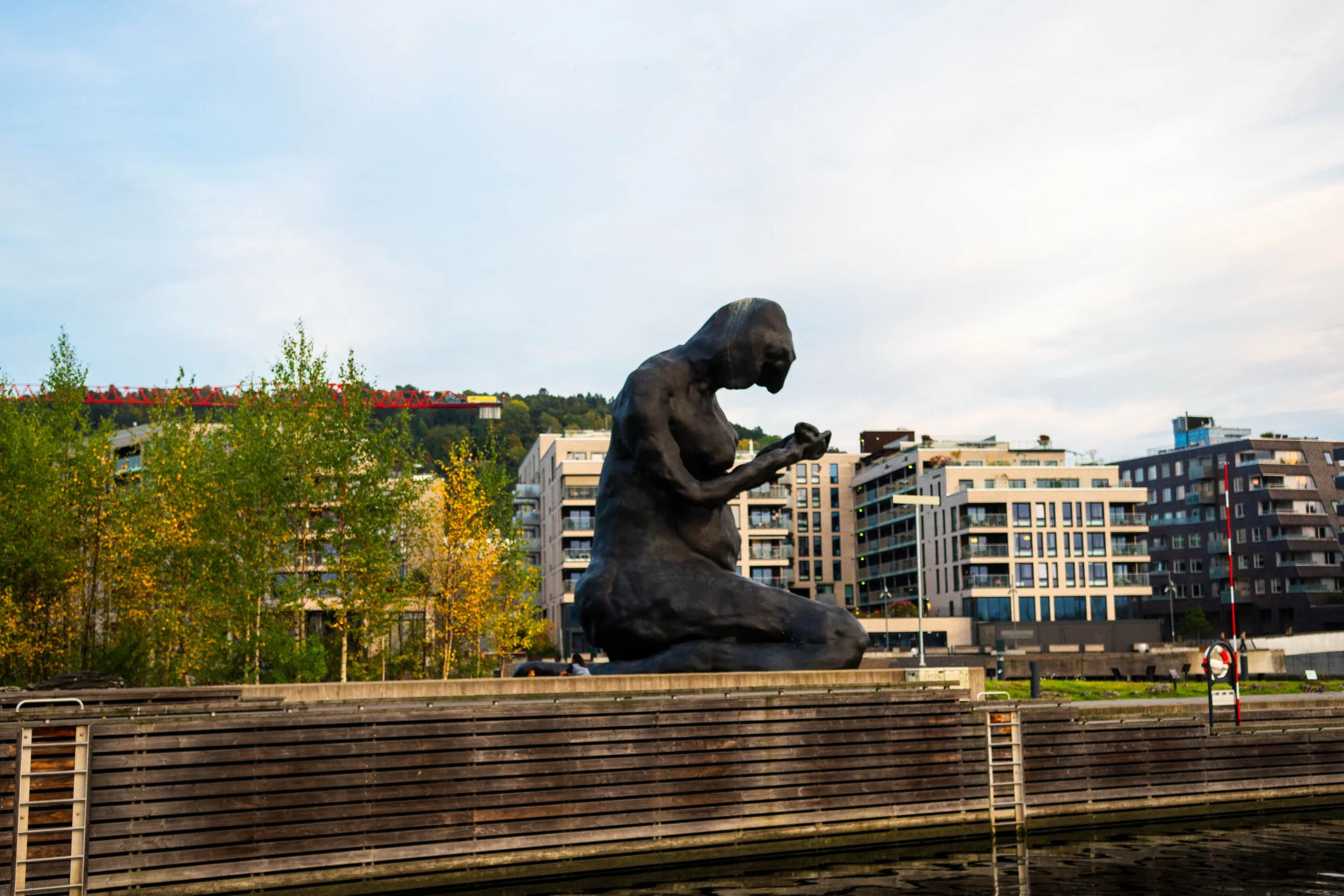
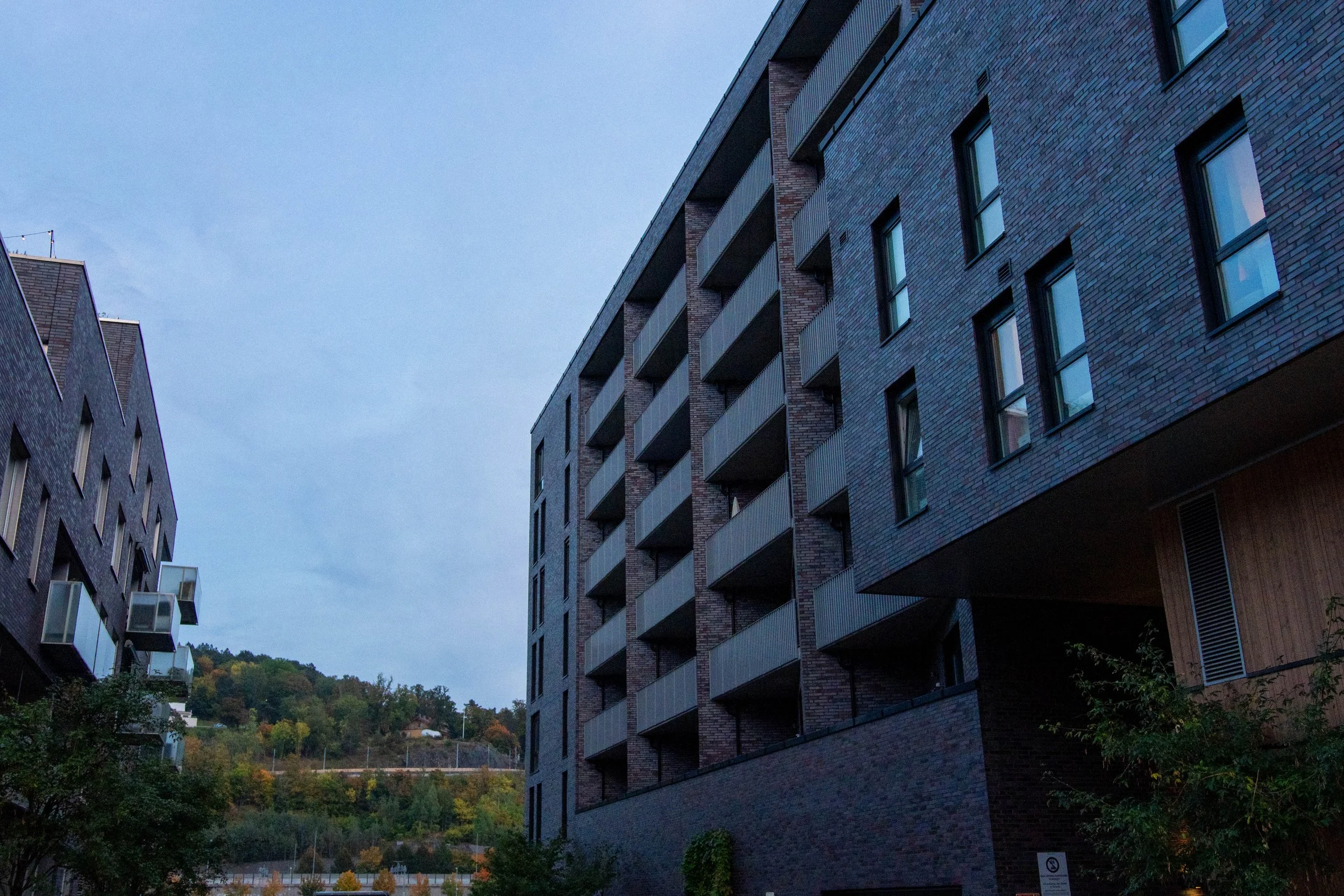
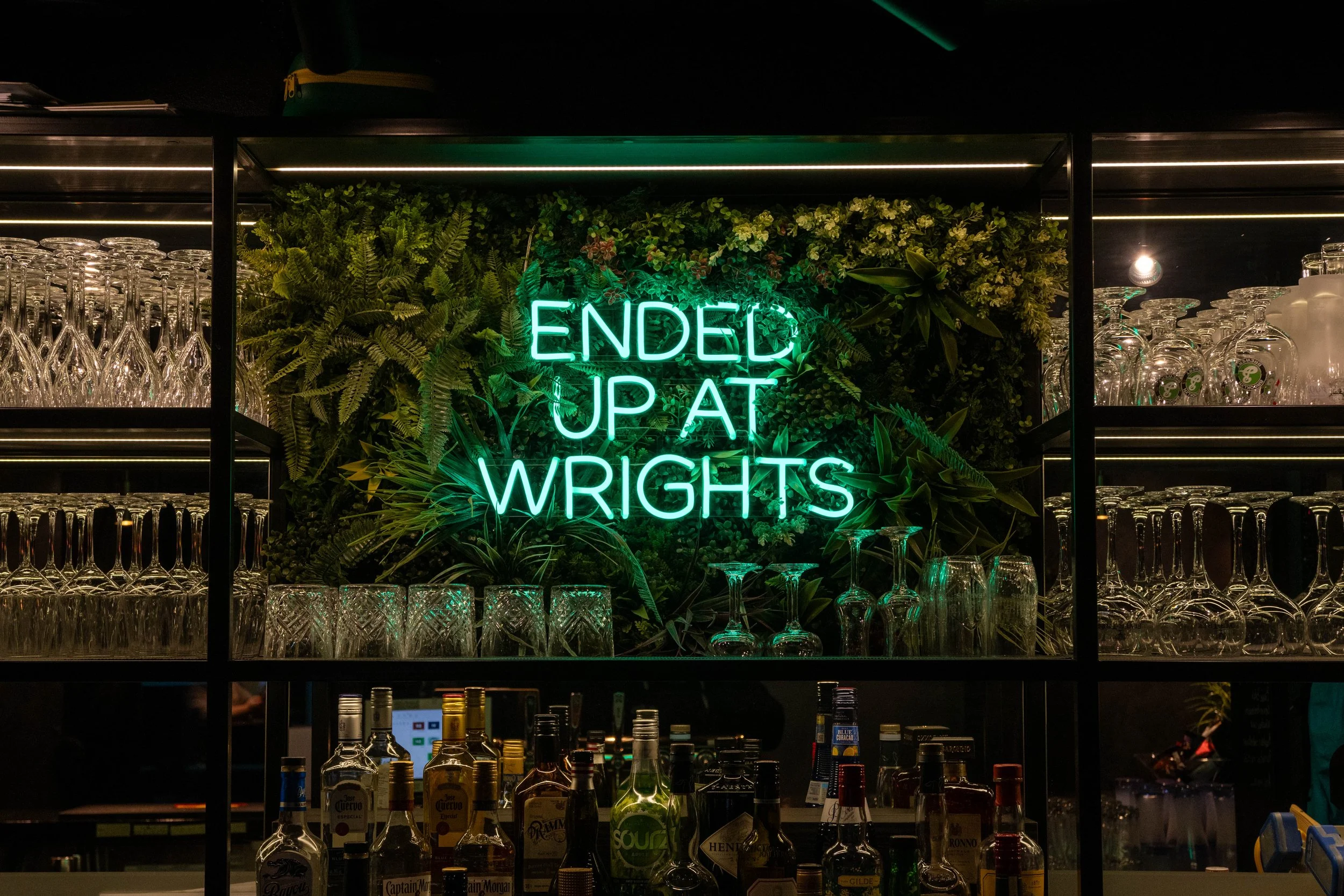
One of the great advantages of Bjørvika is how easily accessible everything is on foot. The district has been transformed over recent years, turning what was once a port and industrial area into a vibrant urban neighborhood dominated by modern architecture, waterfront promenades, and public spaces. As we made our way towards Sørenga, we stopped regularly to photograph buildings, details, and reflections in the calm harbor waters. The changing weather and shifting light constantly altered the mood of the scene, making even familiar locations appear different from one moment to the next. Photography, however, was only part of the experience. Along the way, we paused for refreshments and spent time discussing cameras, lenses, techniques, and the endless pursuit of the perfect shot. Conversations like these are often just as enjoyable as the photography itself. Sharing experiences and exchanging ideas is one of the reasons photo walks remain such a rewarding hobby.
Waiting for the Blue Hour
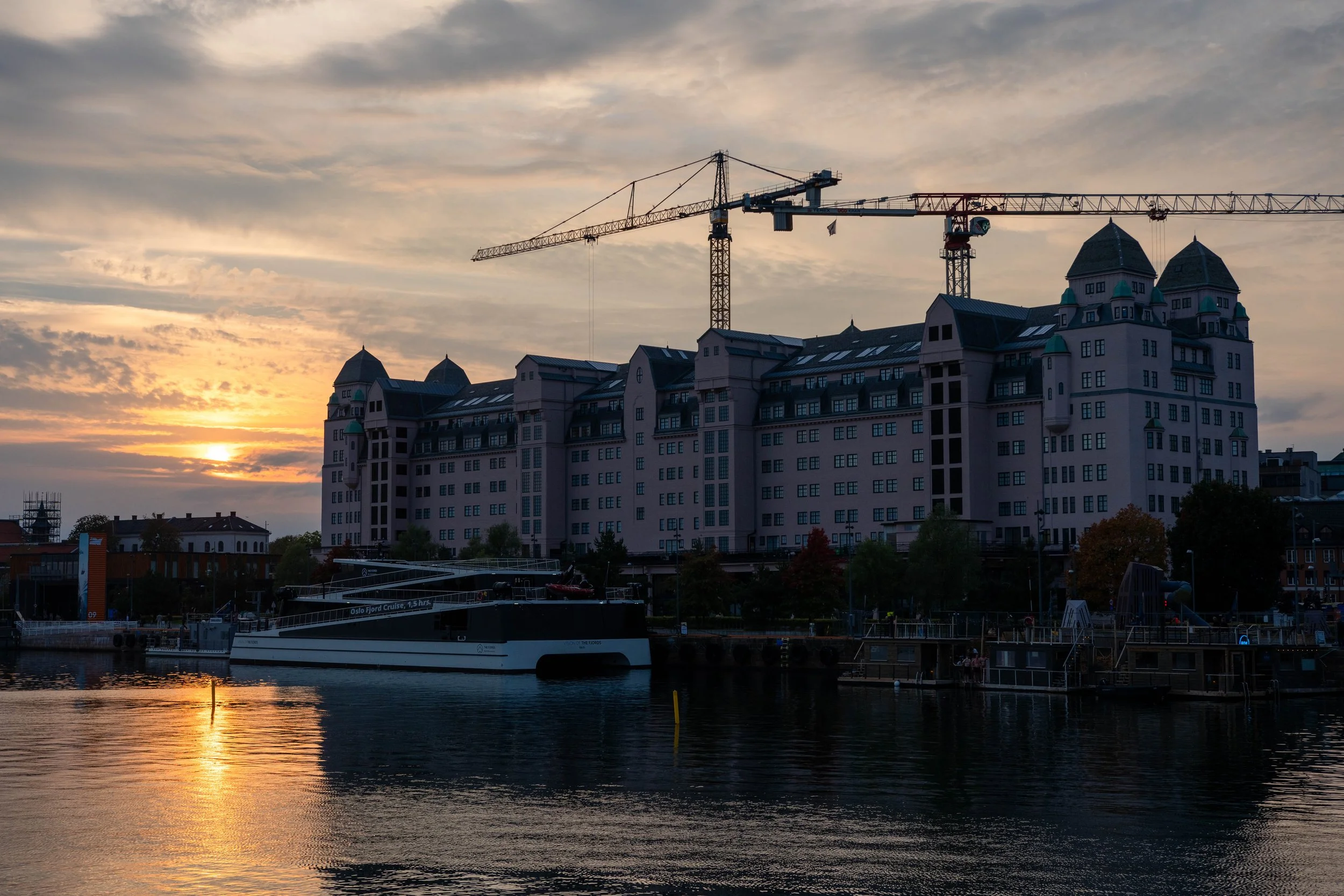
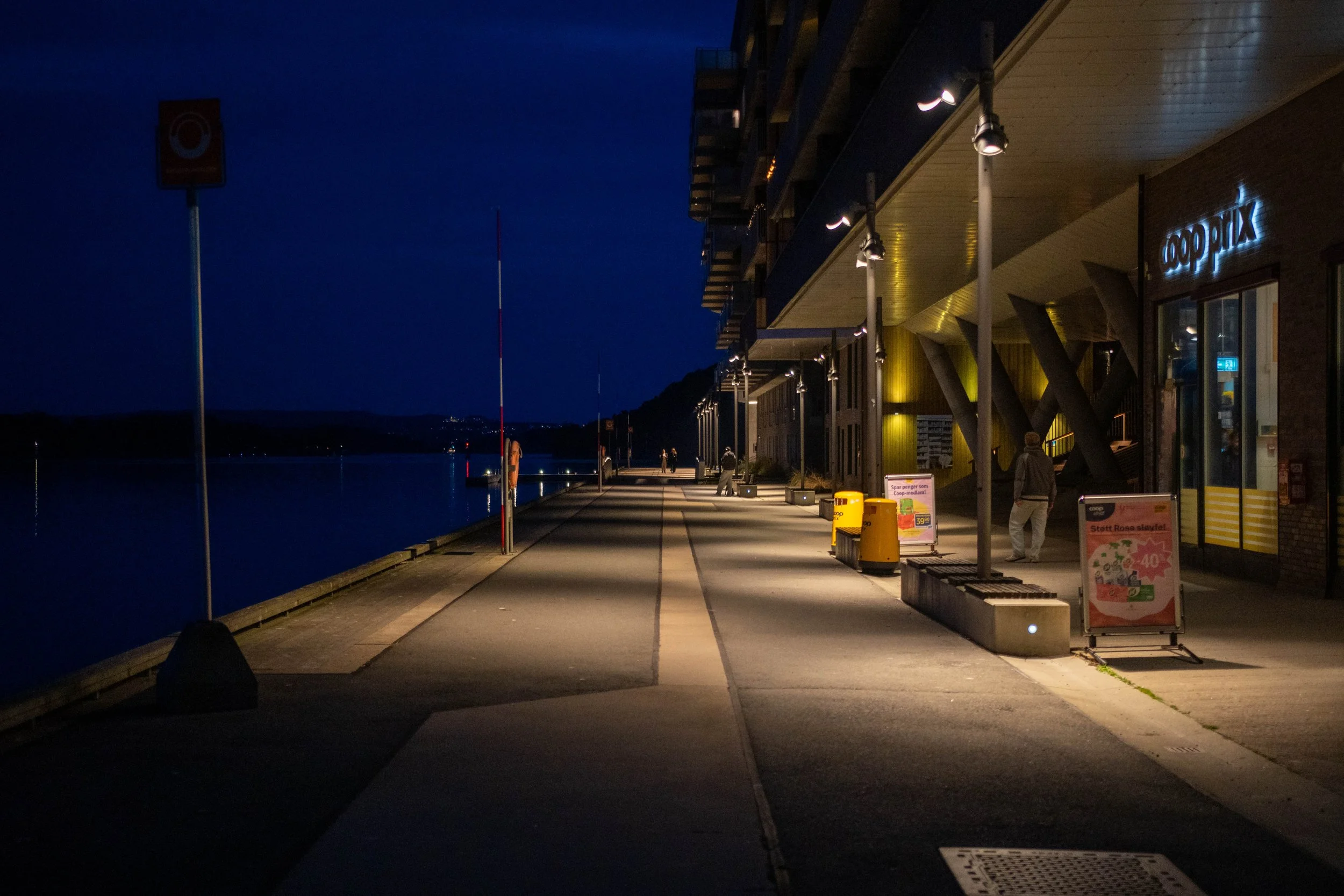
Although we started while there was still plenty of daylight, our real goal was to stay long enough for darkness to arrive. As sunset approached, Bjørvika began to change character. The glass façades of the buildings captured the last traces of daylight, while artificial lights gradually illuminated the waterfront. Reflections became stronger, colors more vivid, and the atmosphere noticeably calmer. The period between sunset and full darkness, often referred to as the blue hour, is one of my favorite times for architectural photography. The balance between natural and artificial light creates a visual richness that is difficult to achieve at any other time of day. From the Opera House to the MUNCH museum and the residential buildings around Sørenga, the entire area seemed designed for this kind of photography. Glass, steel, water, and light combined to create countless opportunities for interesting images.
Reflections of a Modern Oslo
Bjørvika represents a very different side of Oslo from the historic streets of the city center. Here, modern architecture dominates the landscape, and the waterfront provides a constantly changing canvas of reflections and light. As darkness settled over the harbor, we spent our final hour capturing reflections in the water and experimenting with long exposures before eventually making our way back towards the city. It was a simple evening with good company, good conversations, and plenty of photographic opportunities. Sometimes that's all you need. A camera, a few like-minded friends, and a city that reveals a different personality after sunset. For photographers visiting Oslo, Bjørvika is worth exploring both during the day and after dark. The architecture is impressive in daylight, but it is the reflections, lights, and atmosphere of the evening that truly bring the area to life.