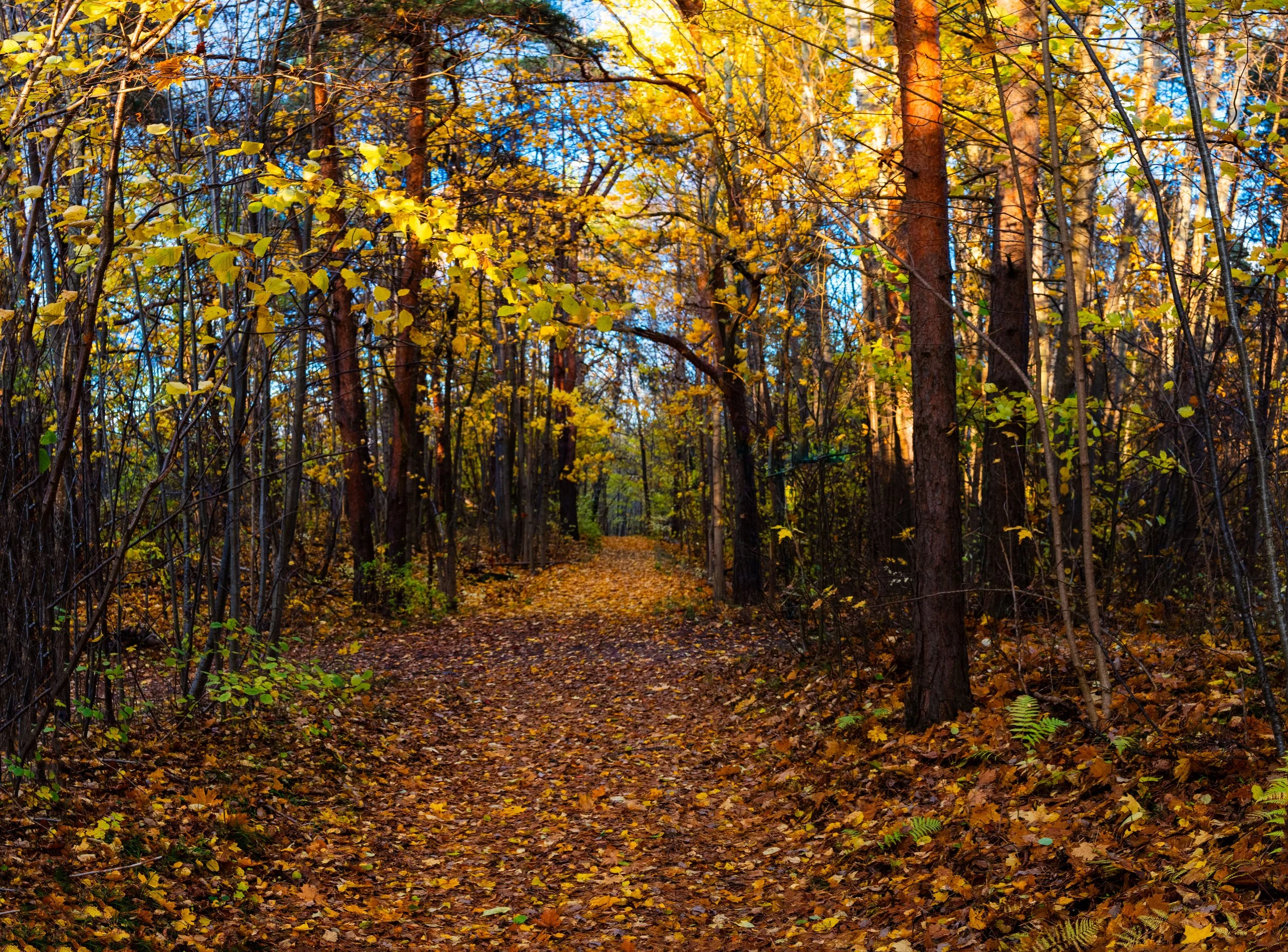
Hovedøya island in the Oslofjord
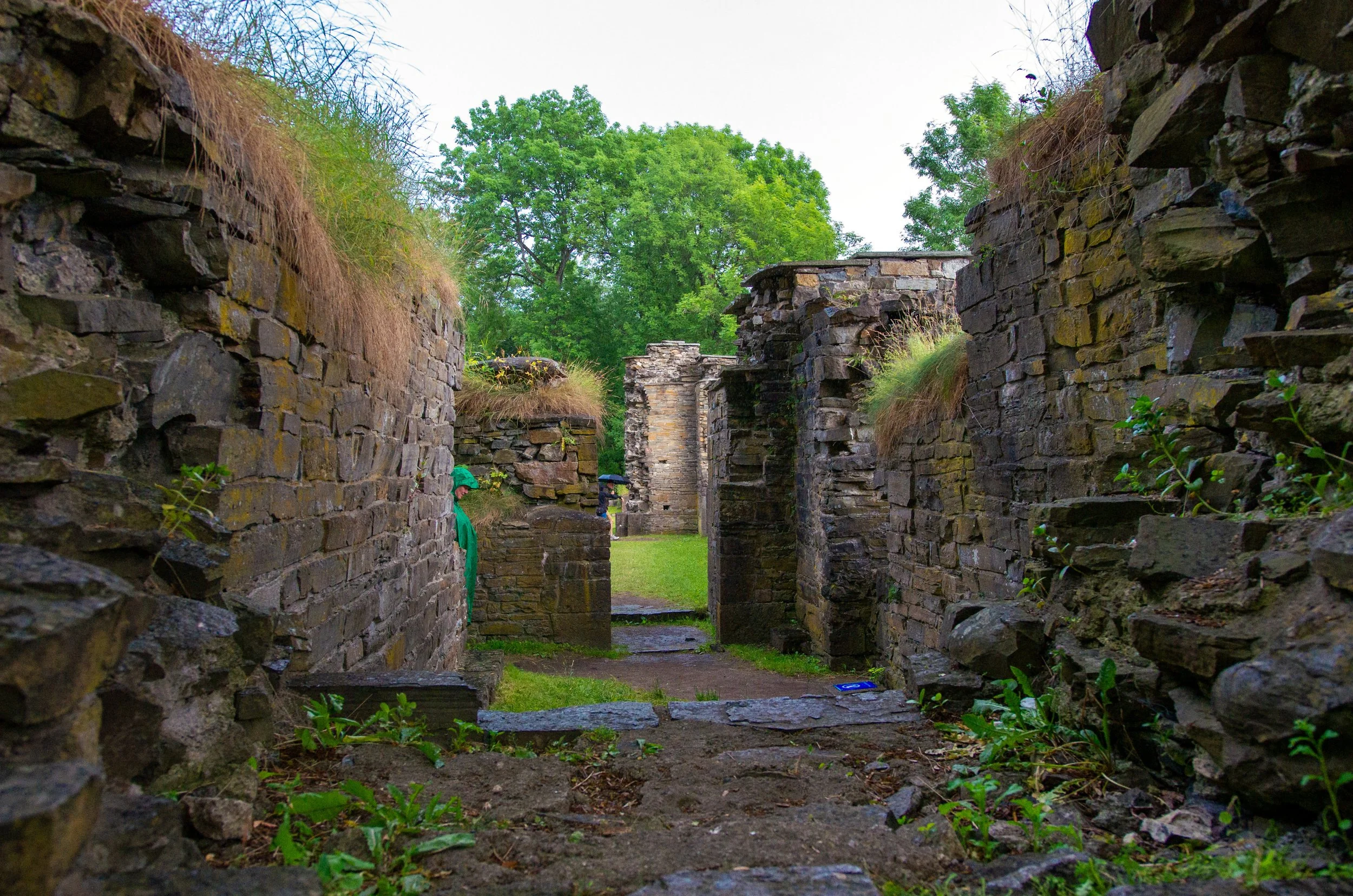
Just a short ferry ride from downtown Oslo, Hovedøya offers a rare blend of serene nature and deep history. Once home to a powerful Cistercian monastery founded in 1147, the island still carries the quiet presence of its medieval ruins, standing among lush meadows and ancient stone formations.
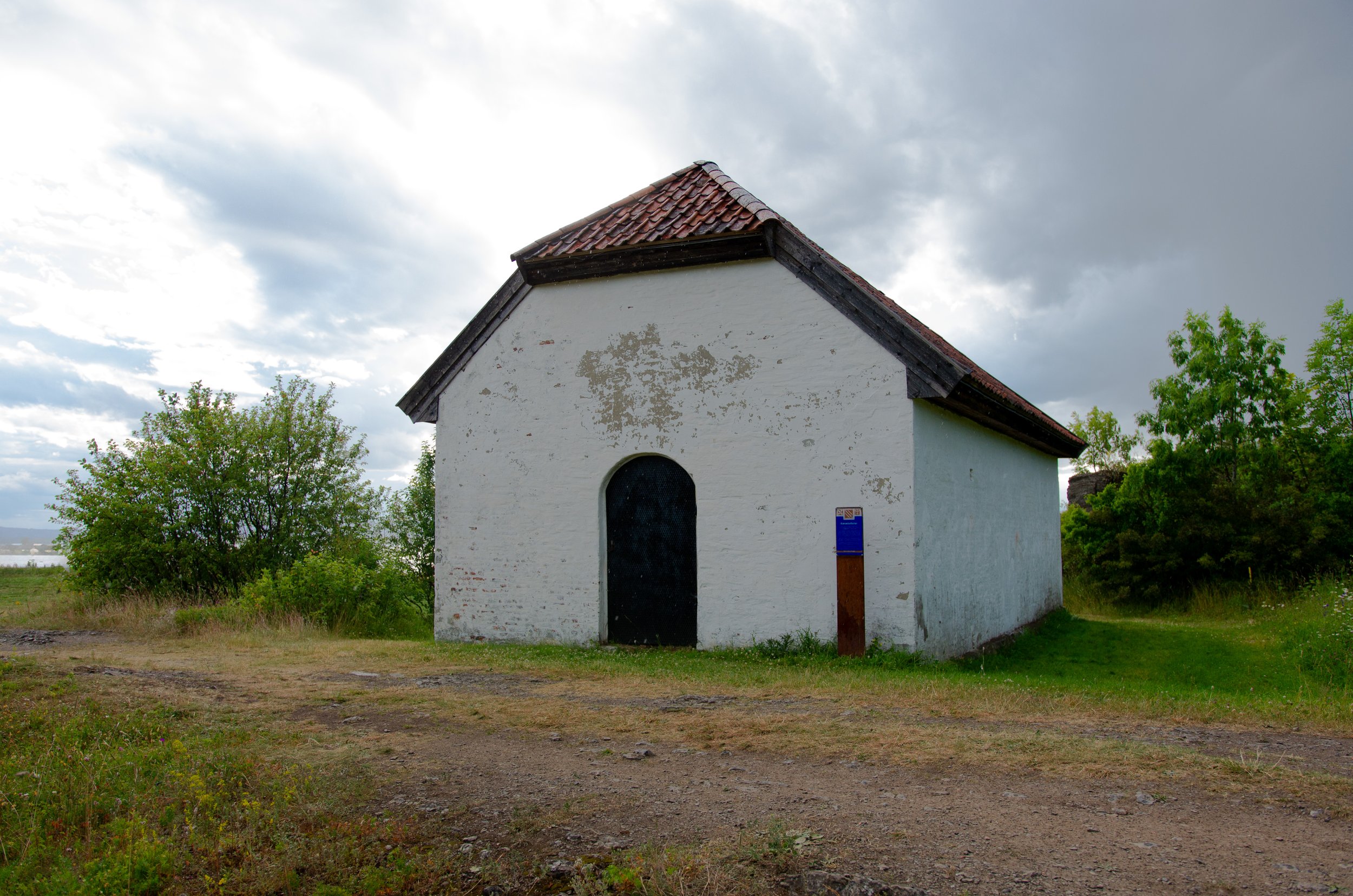
When Norway was part of Denmark, fortifications were built on the island during the Napoleonic Wars to protect the city from foreign warships entering the fjord. This made it a part of Akershus fortress that protected the city. Even today there are several canon batteries and storage buildings on the island from this time. During World War II Germans had some barracks on the island as well. One of the buildings were used for military research and development. This building was later rebuilt as a home for the commanding officer of the island. Aftr World War II the building was once again rebuild. This time to house families that did not have homes. today some art groups use the buildings.
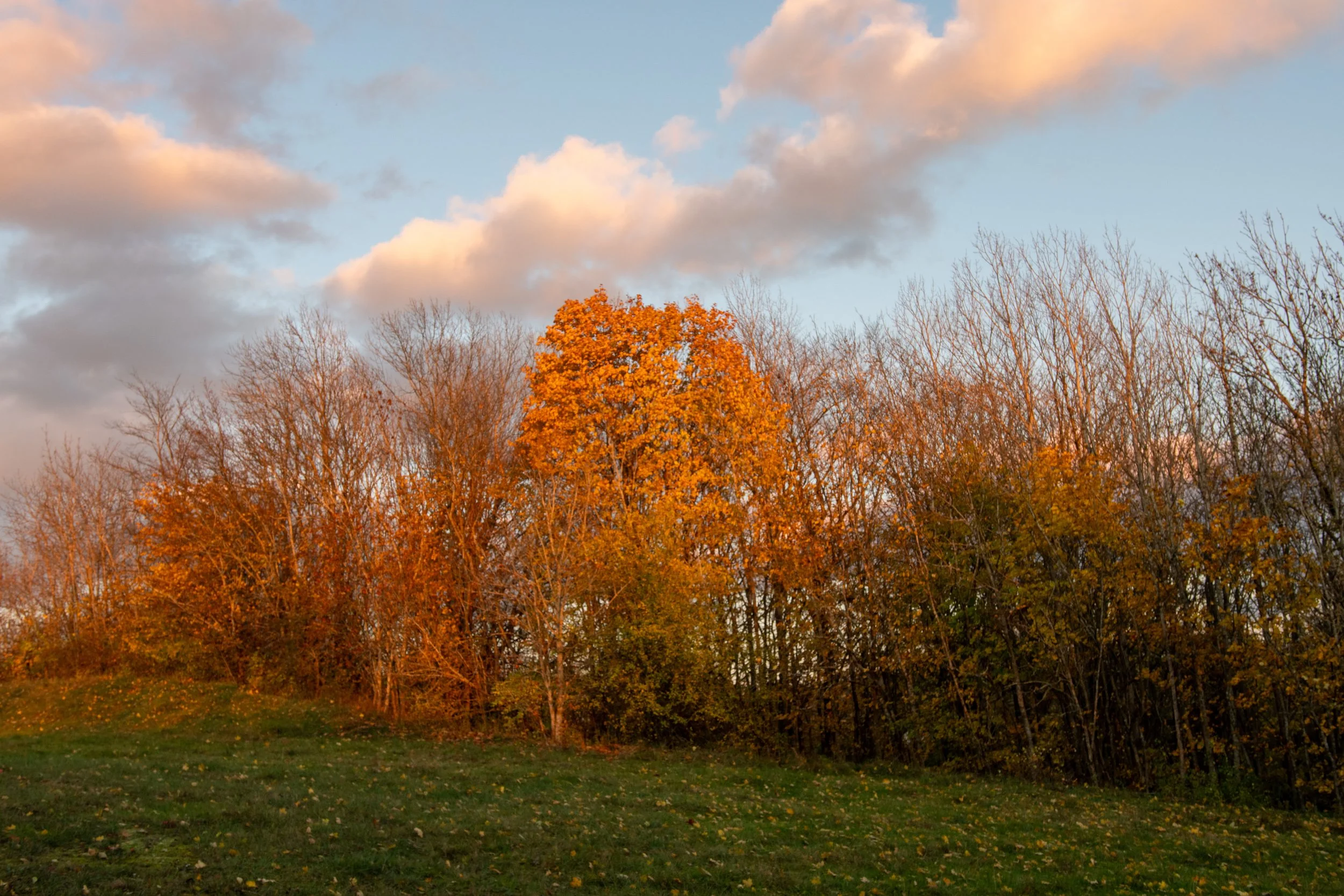
The island has an unusually rich flora that is fuelled by calcareous bedrock and a mild local microclimate. This makes Hovedøya one of the most botanically diverse spots in the Oslofjord, home to rare species found almost nowhere else in Norway. Today, visitors wander through a landscape where vibrant plant life, coastal wildlife, and centuries of human history coexist in a compact, captivating setting.
During summer months the island is a popular retreat for people living in Oslo, and people do barbeque and / or go for a swing from one of the beaches. It is not allowed to camp on the island, but campiing is allowed on other islands outside Oslo.