Birds at Østensjøvannet and Bogerudmyra
Bogerudmyra and Østensjøvannet are living sanctuaries on the edge of the city. Tucked into the southeastern corner of Oslo lies one of the capital’s most vibrant and ecologically important landscapes: the combined wetland system of Bogerudmyra and Østensjøvannet. For photographers, this area is a gift. For wildlife, it is a lifeline. And for the city, it is a reminder of how rich urban nature can be when it is allowed to breathe. It is a wetland that never sleeps.
Bogerudmyra is a classic Norwegian marshland, Quiet at first glance, but full of movement when you slow down and let your eyes adjust. The ground is soft, the vegetation dense, and the air often carries the earthy scent of peat and slow‑moving water. This is a place where life thrives in the margins: amphibians, insects, small mammals, and birds all depend on the wet, sheltered micro‑habitats that only a marsh can provide.
Just downhill from Borgerudmyra, Østensjøvannet opens like a mirror to the sky. It is one of Oslo’s most important freshwater bird habitats, protected as a nature reserve and internationally recognized for its biodiversity. The lake and its surrounding meadows, reeds, and forest edges form a complete ecosystem, one that supports species that would struggle to survive anywhere else in the city.
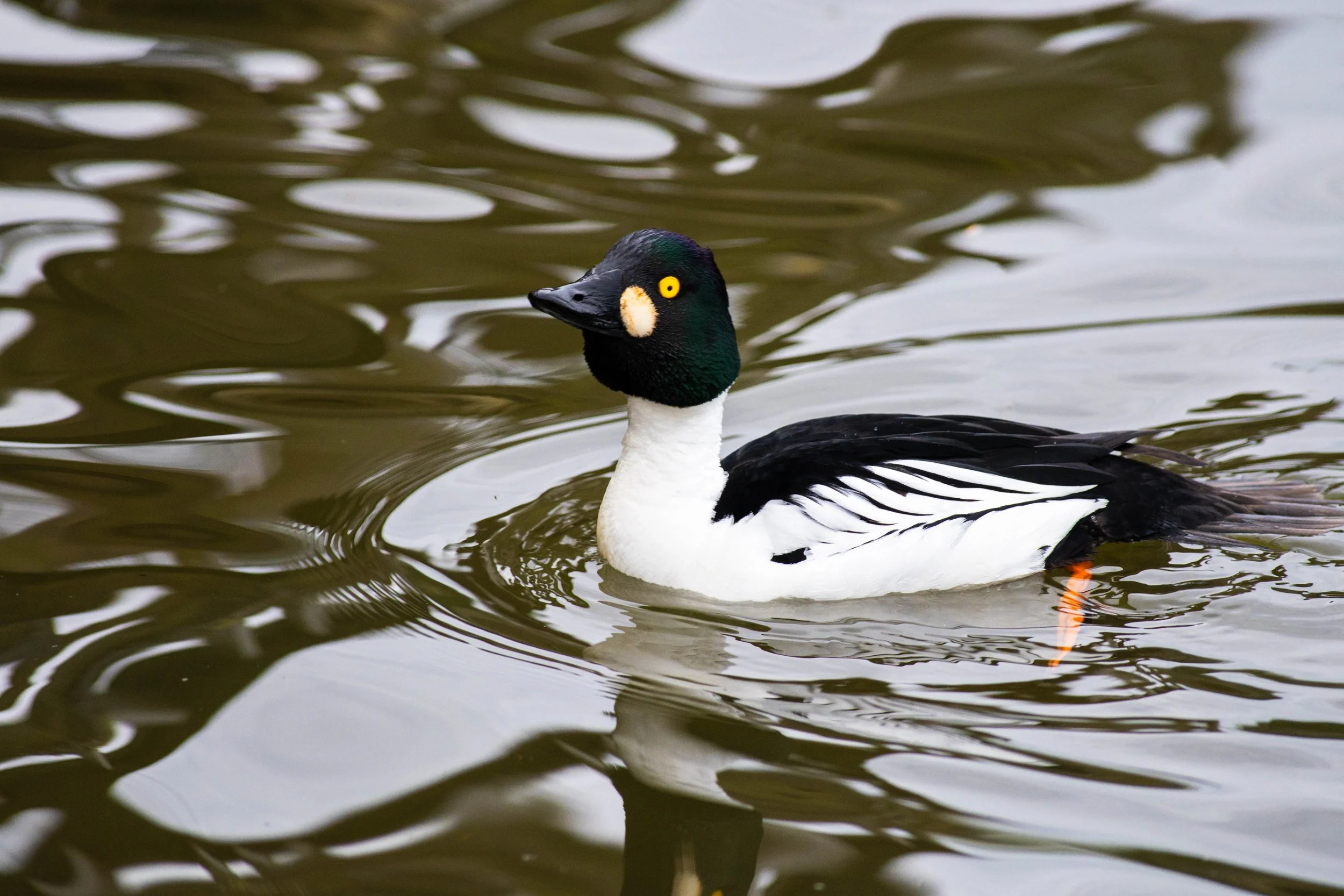
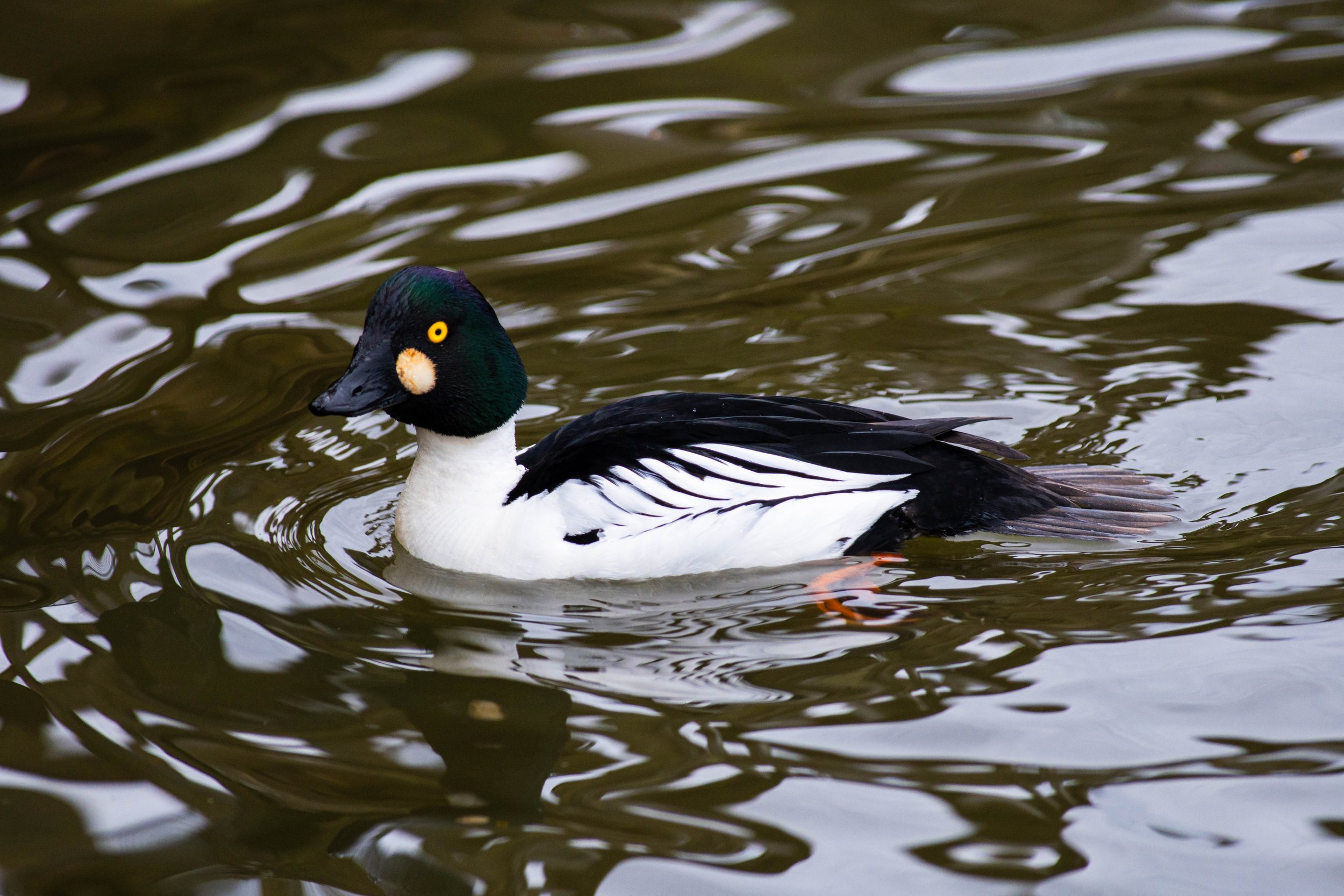
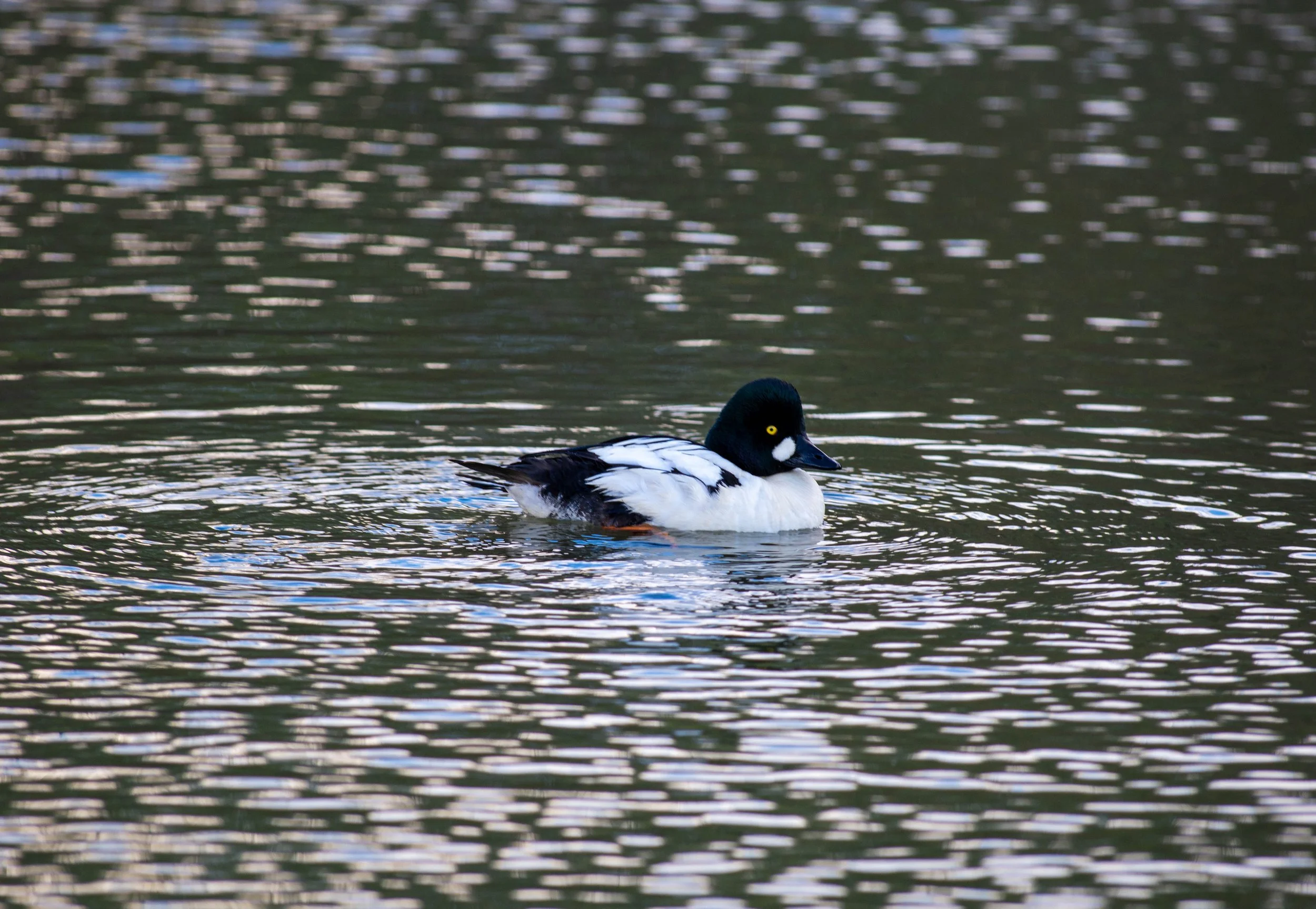
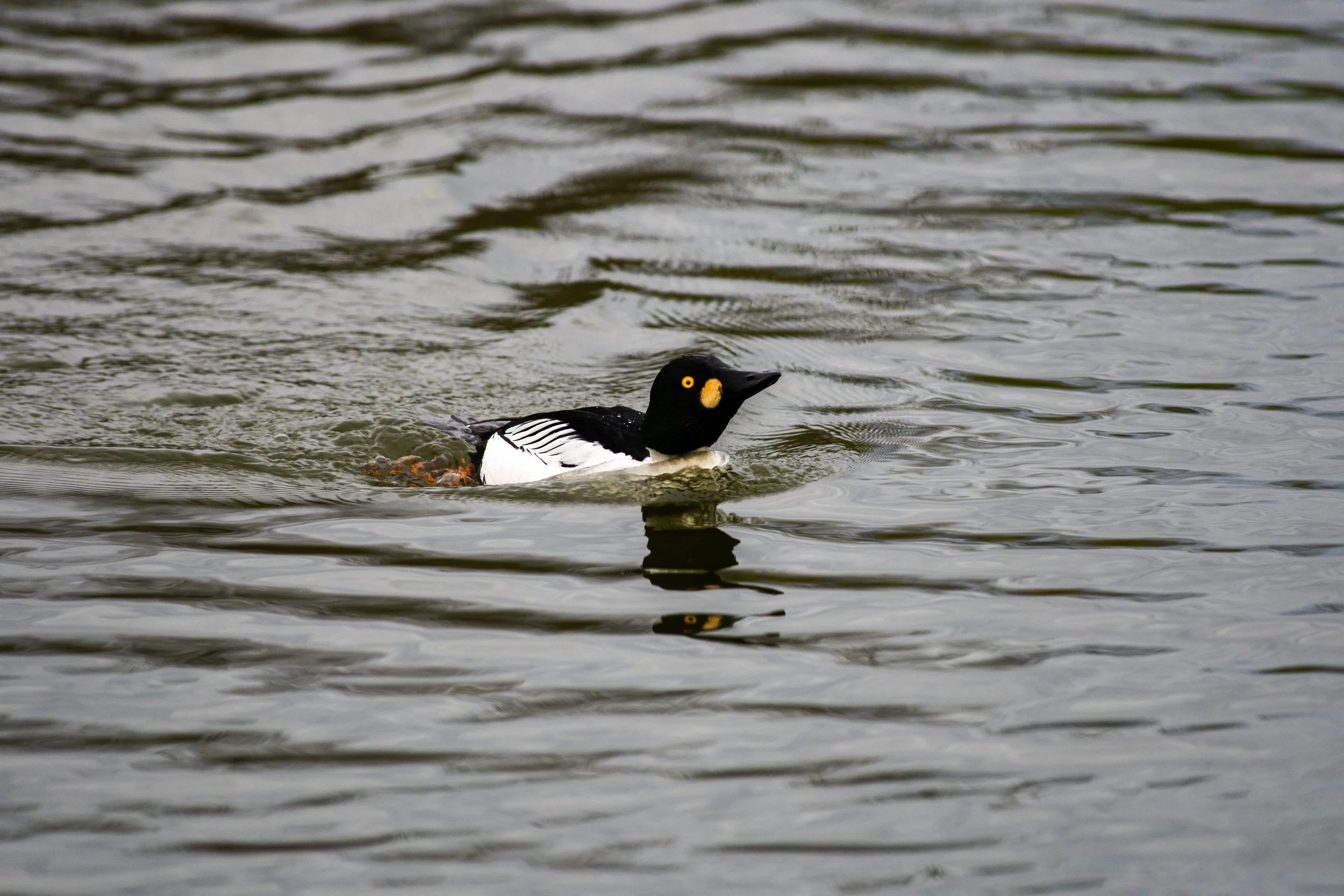
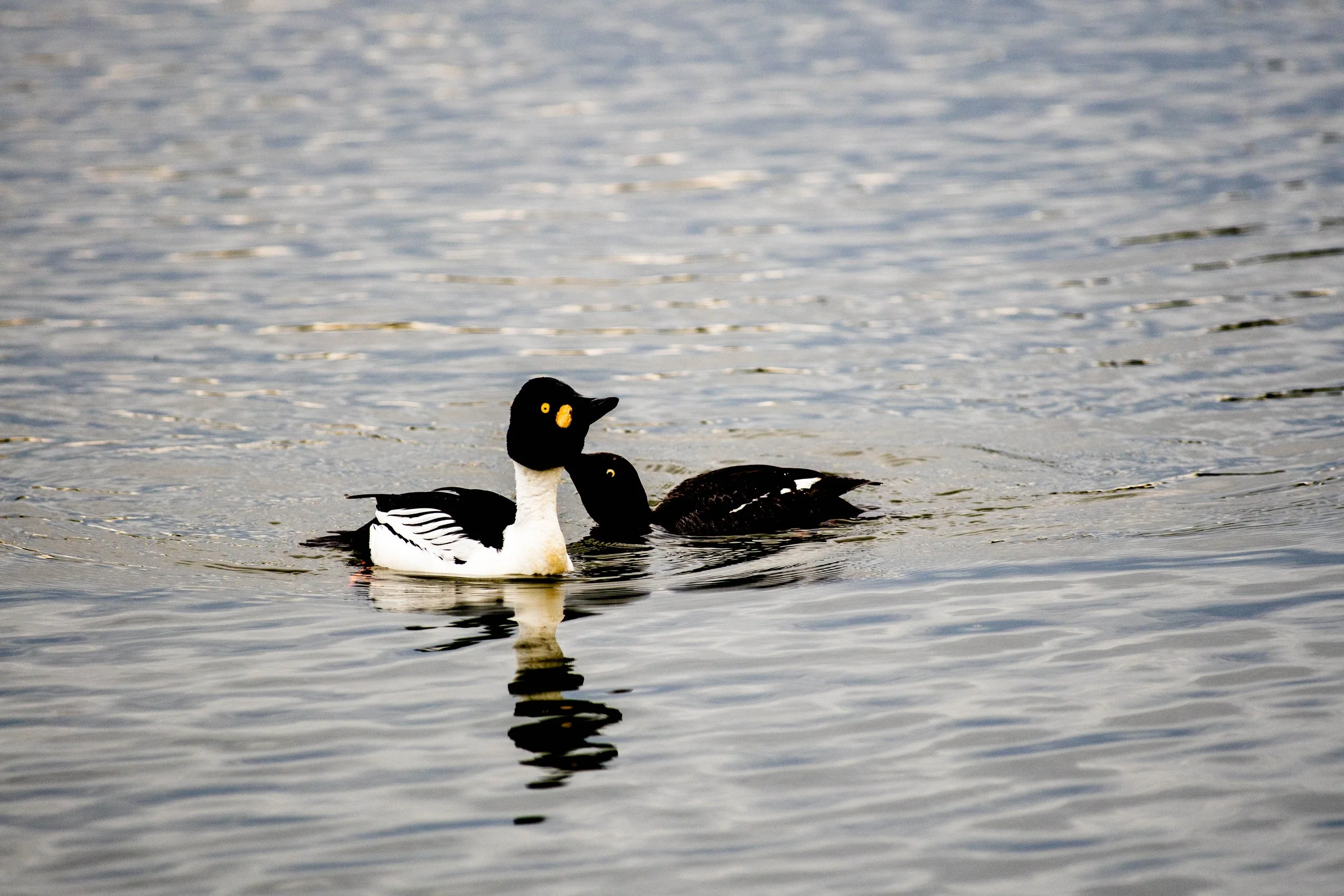
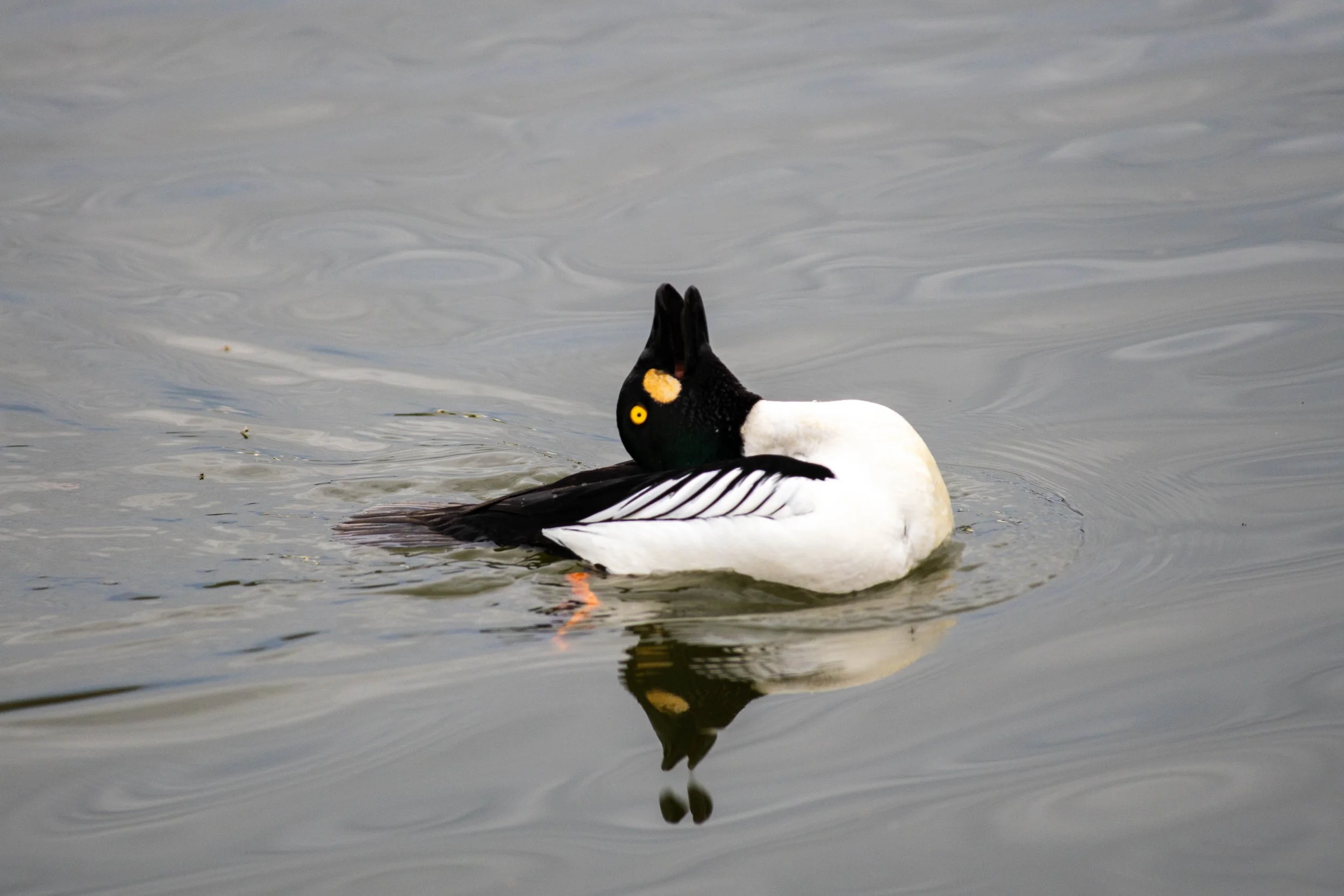
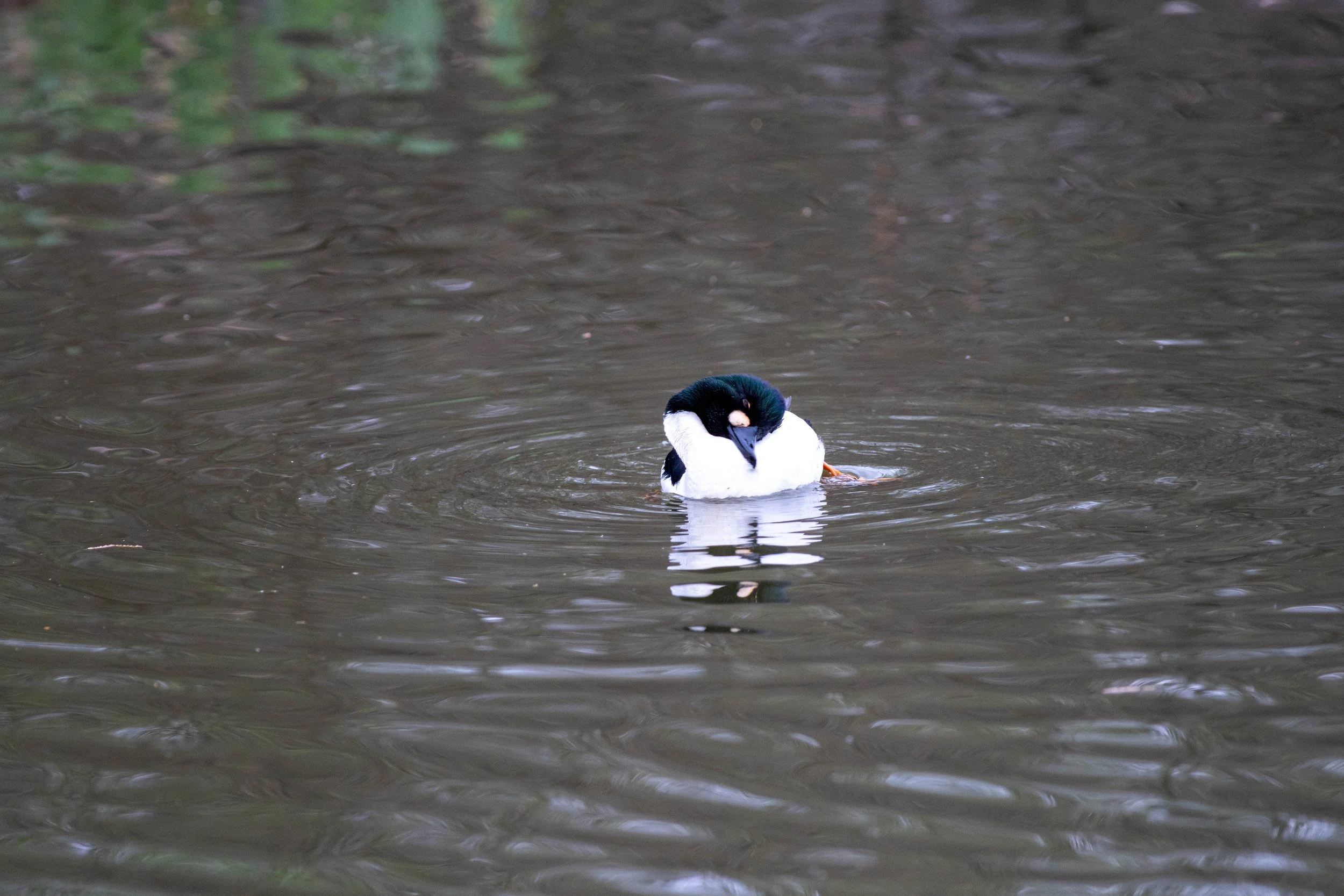
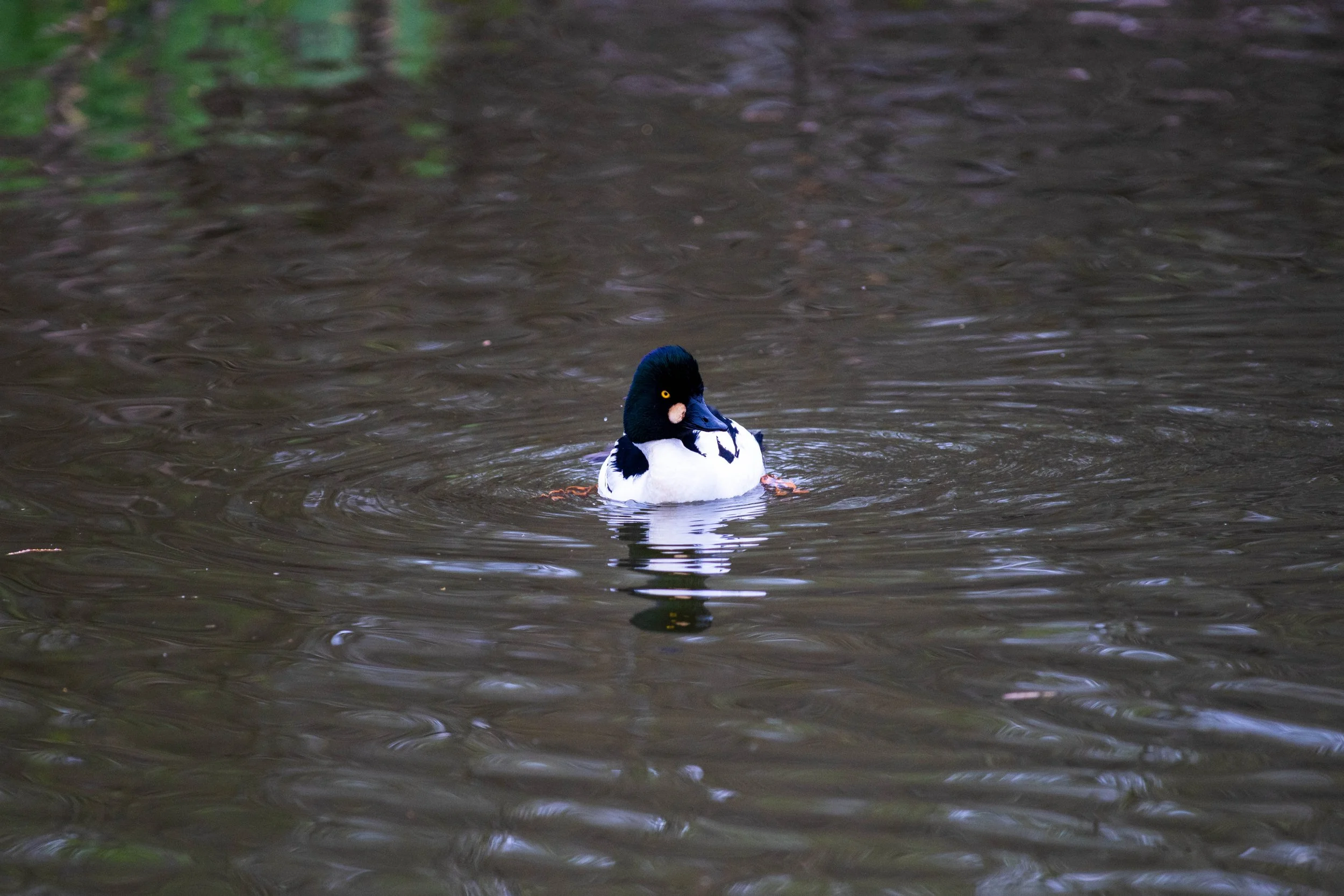
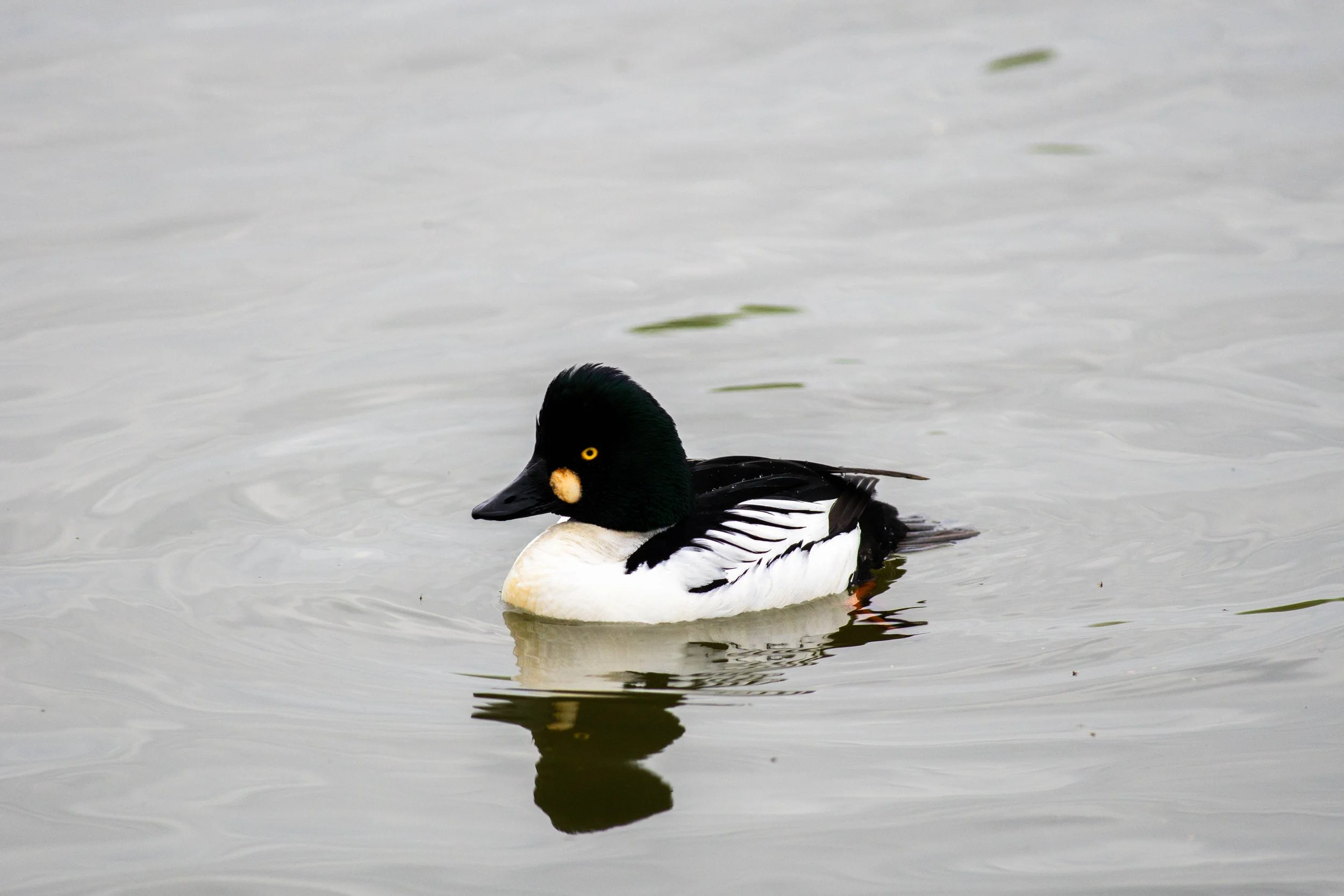
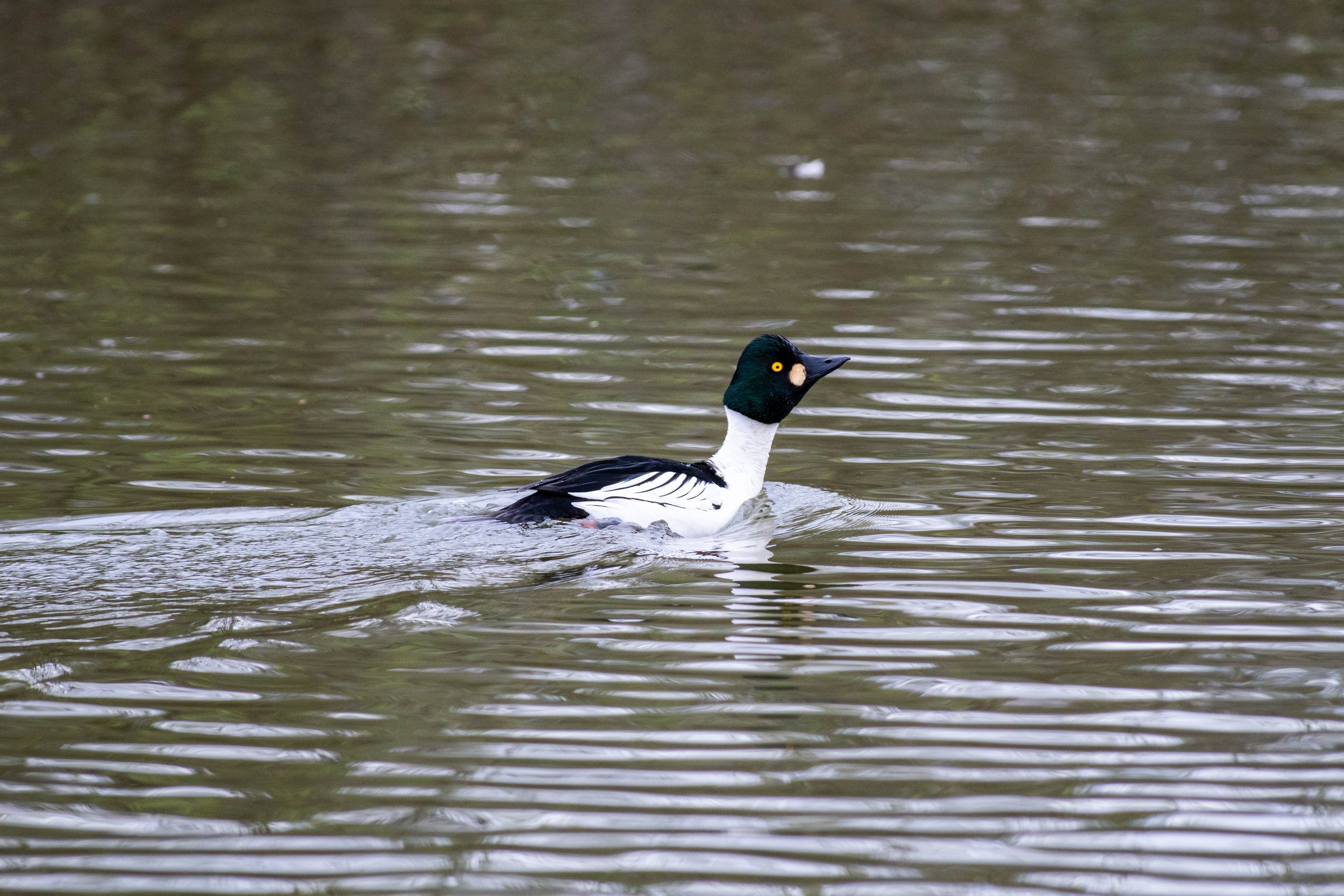
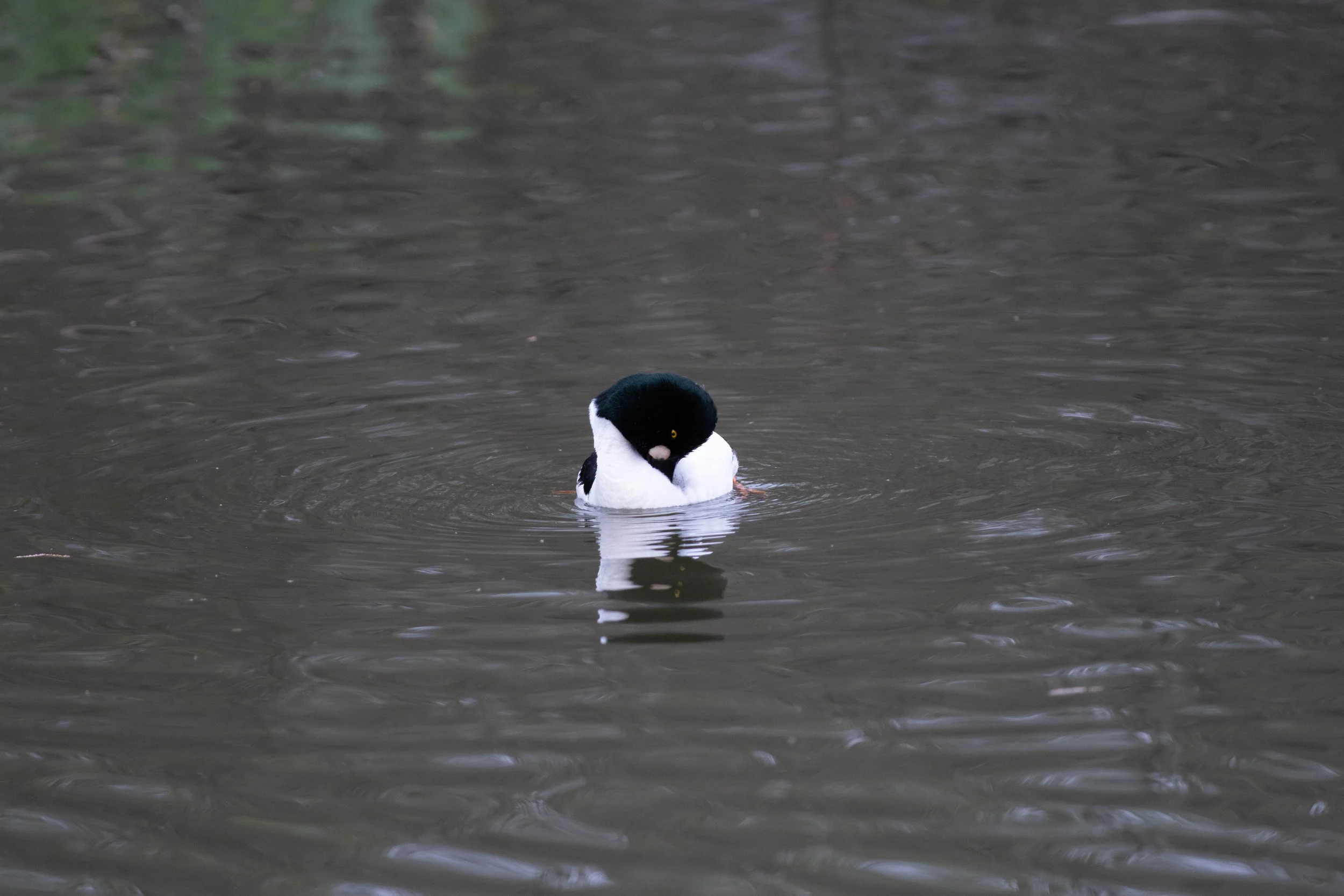
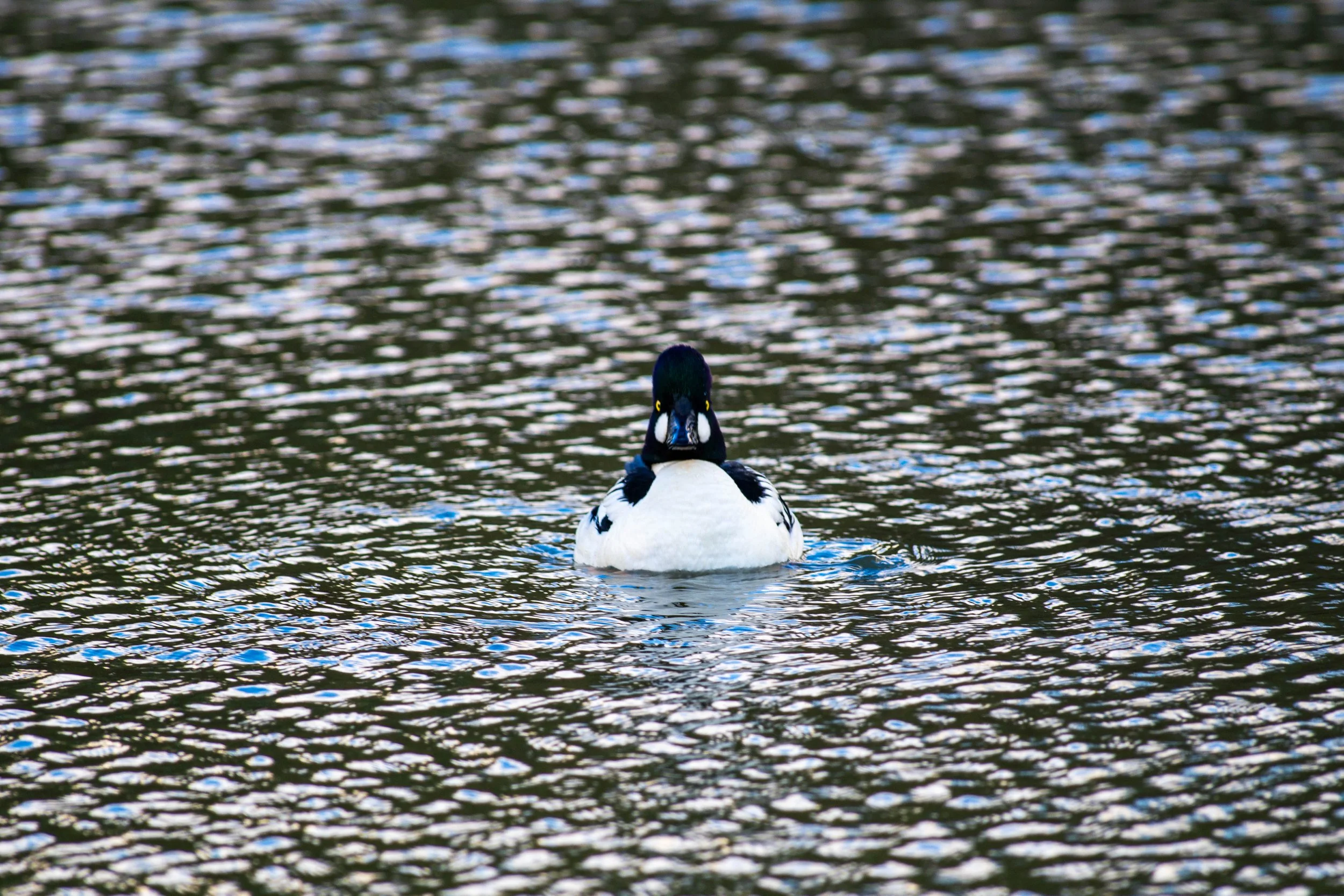
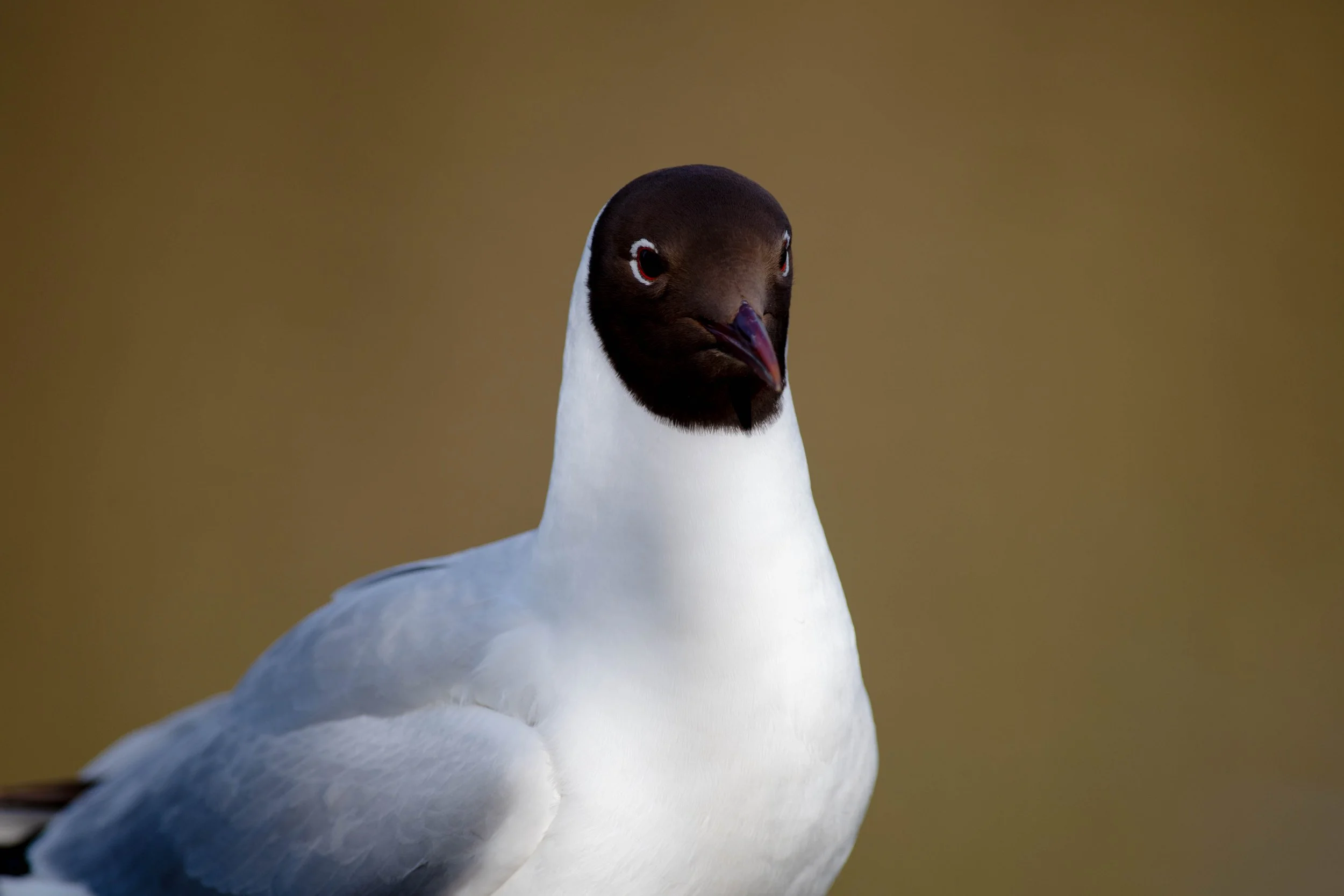
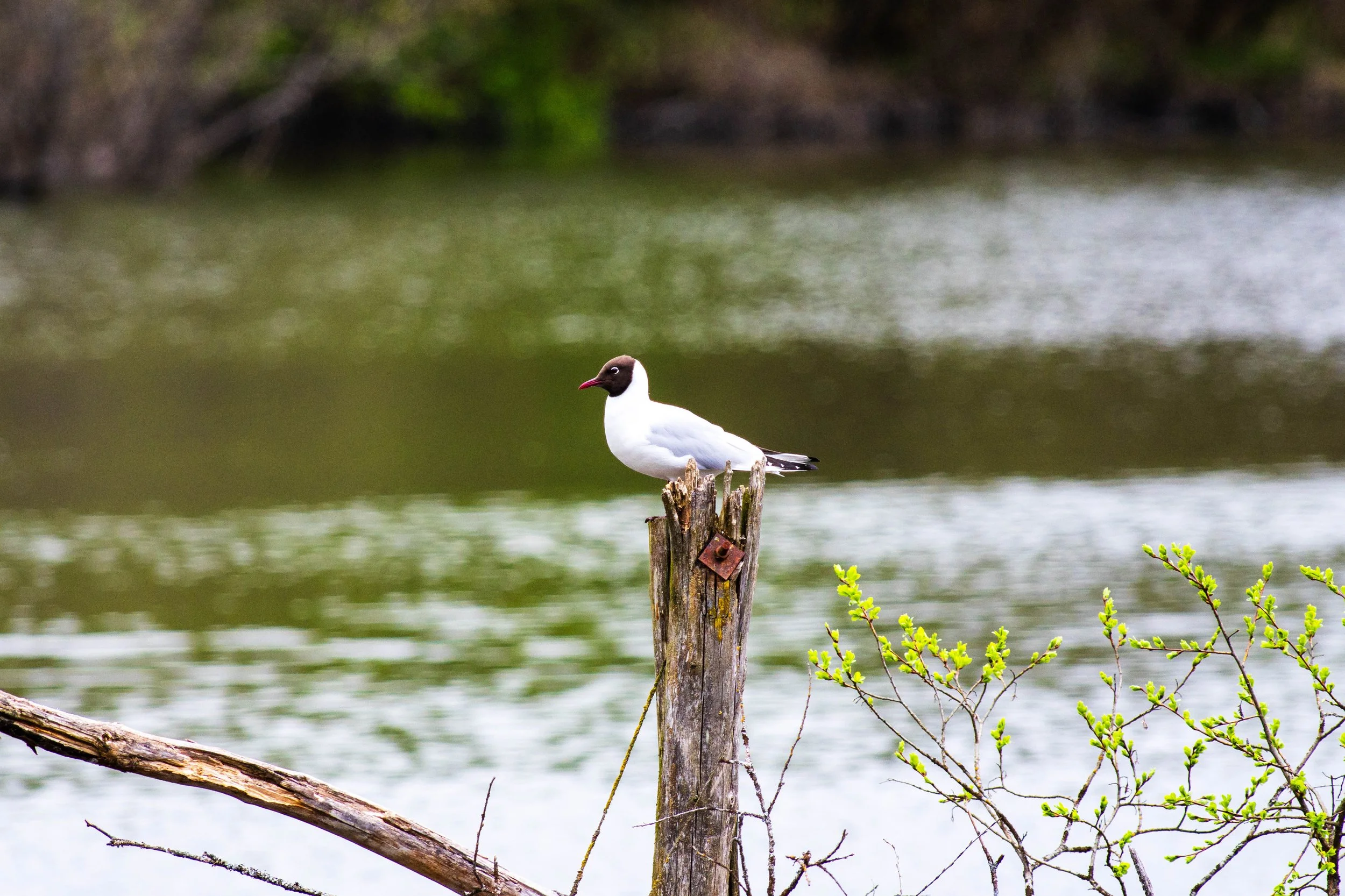
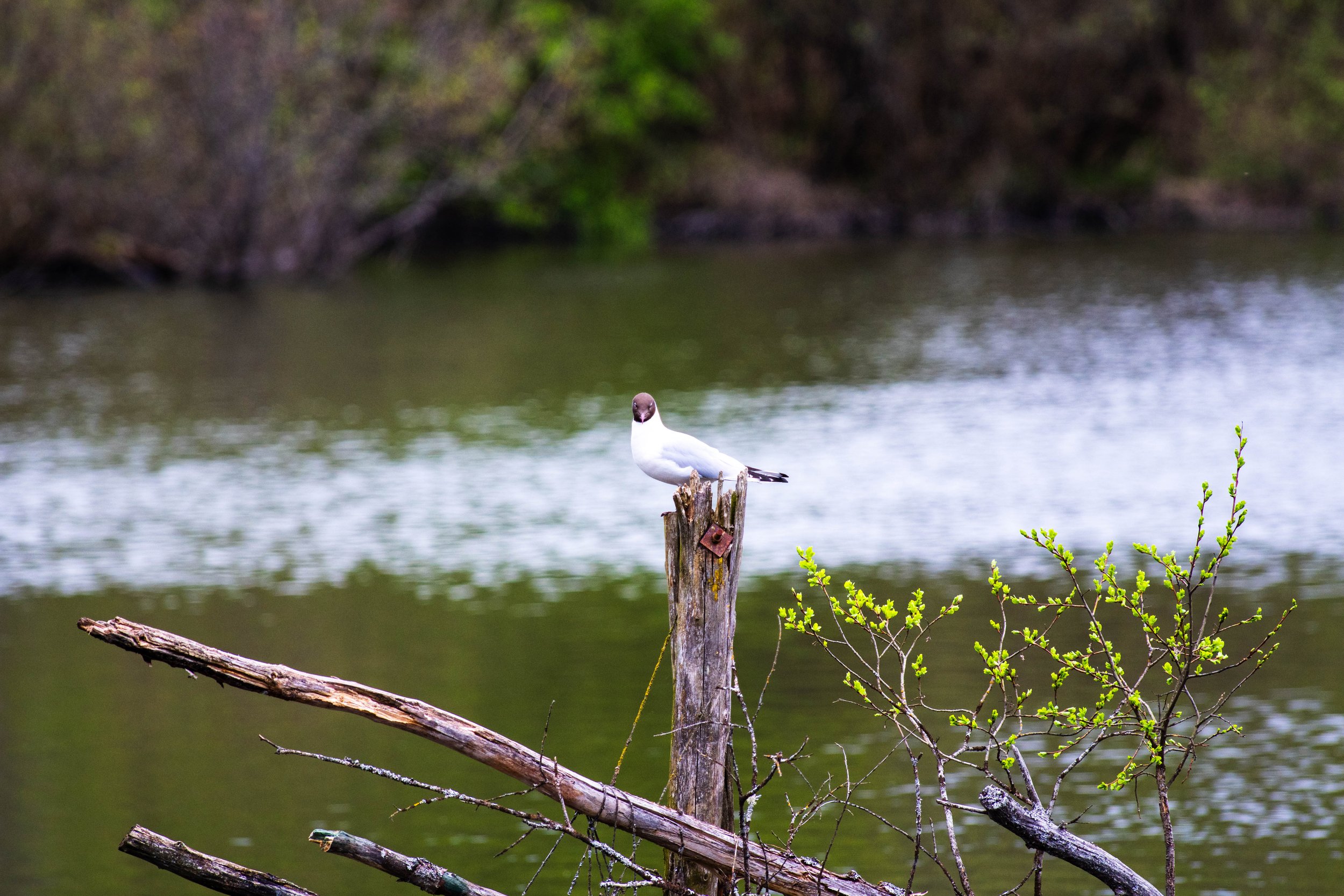
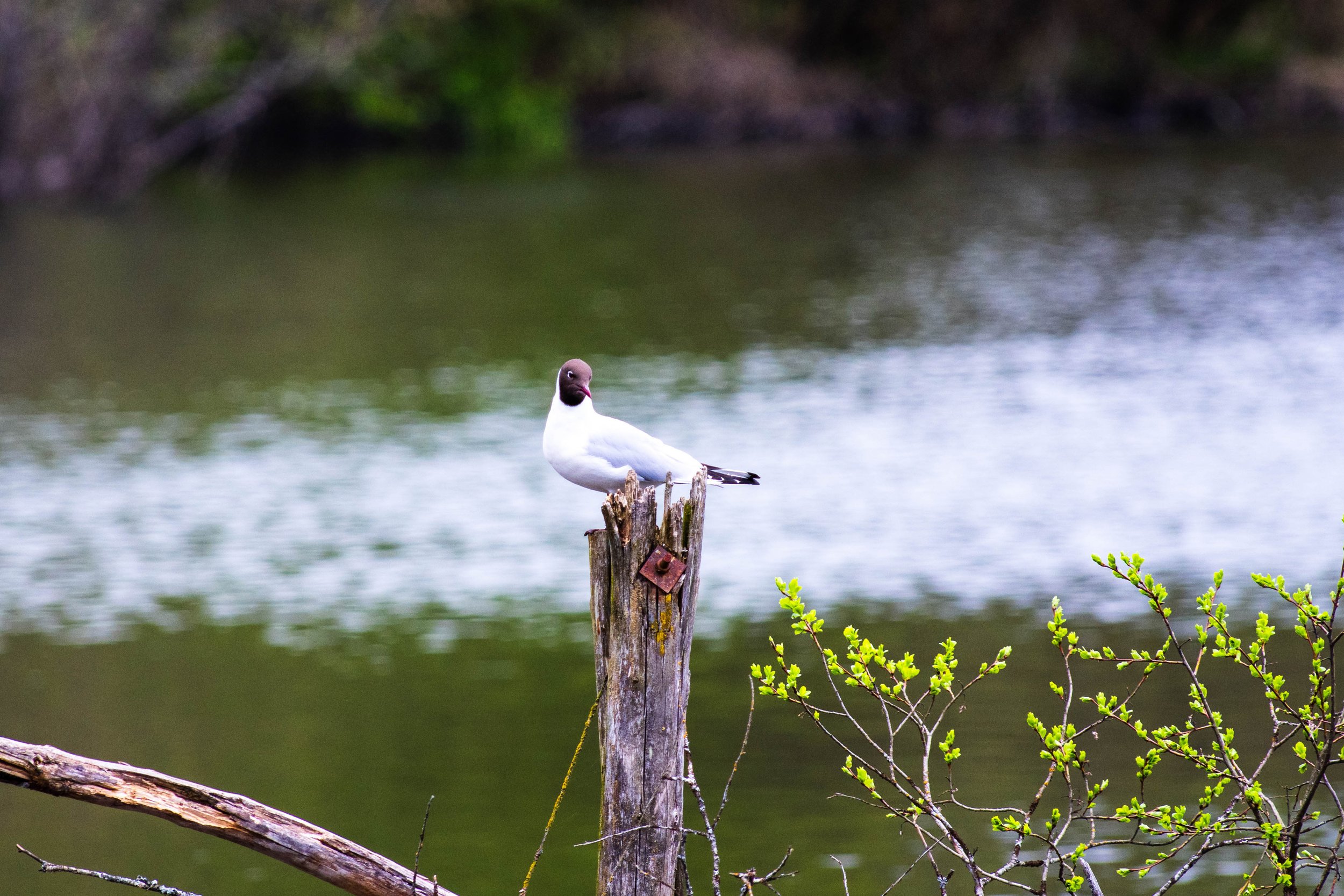
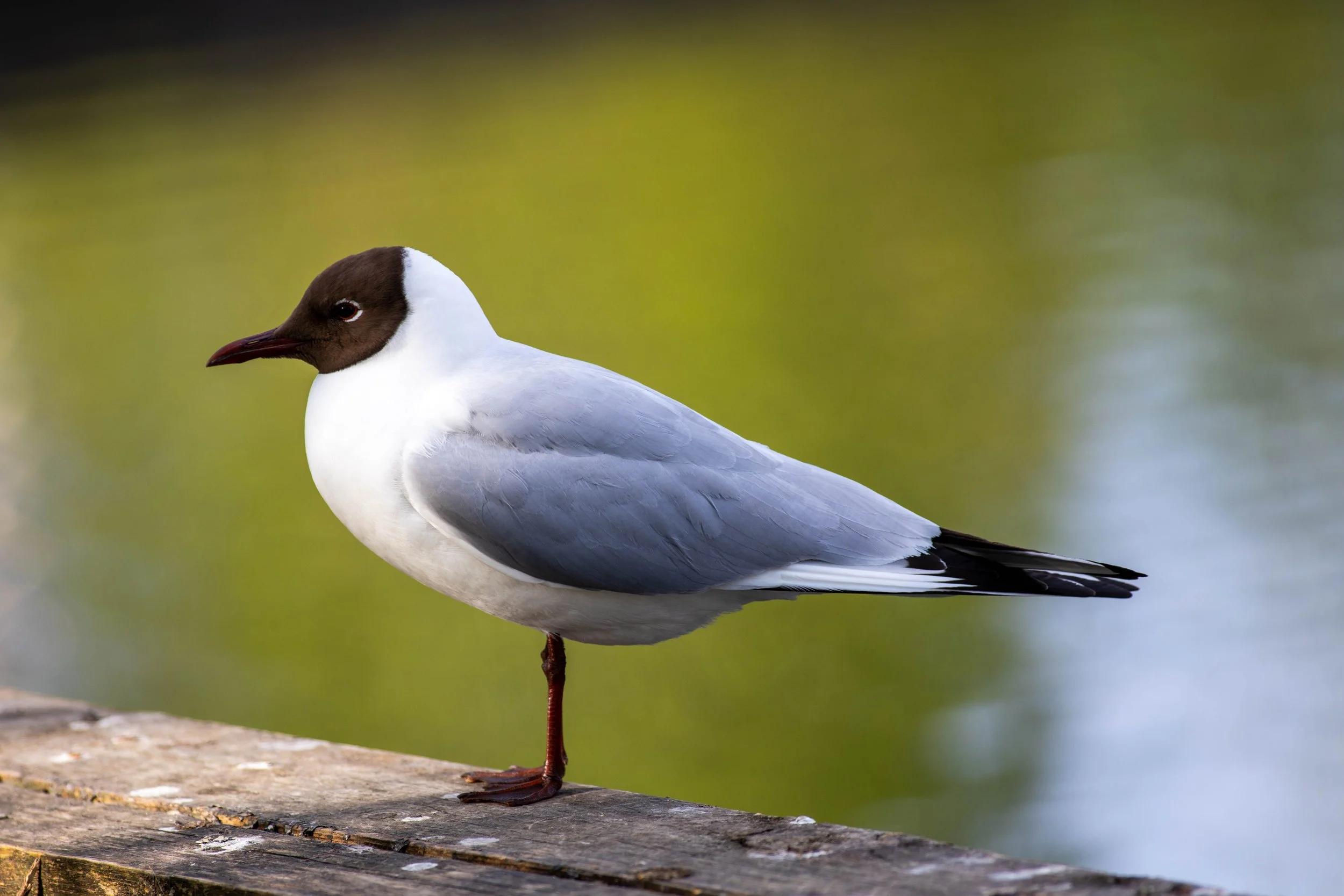
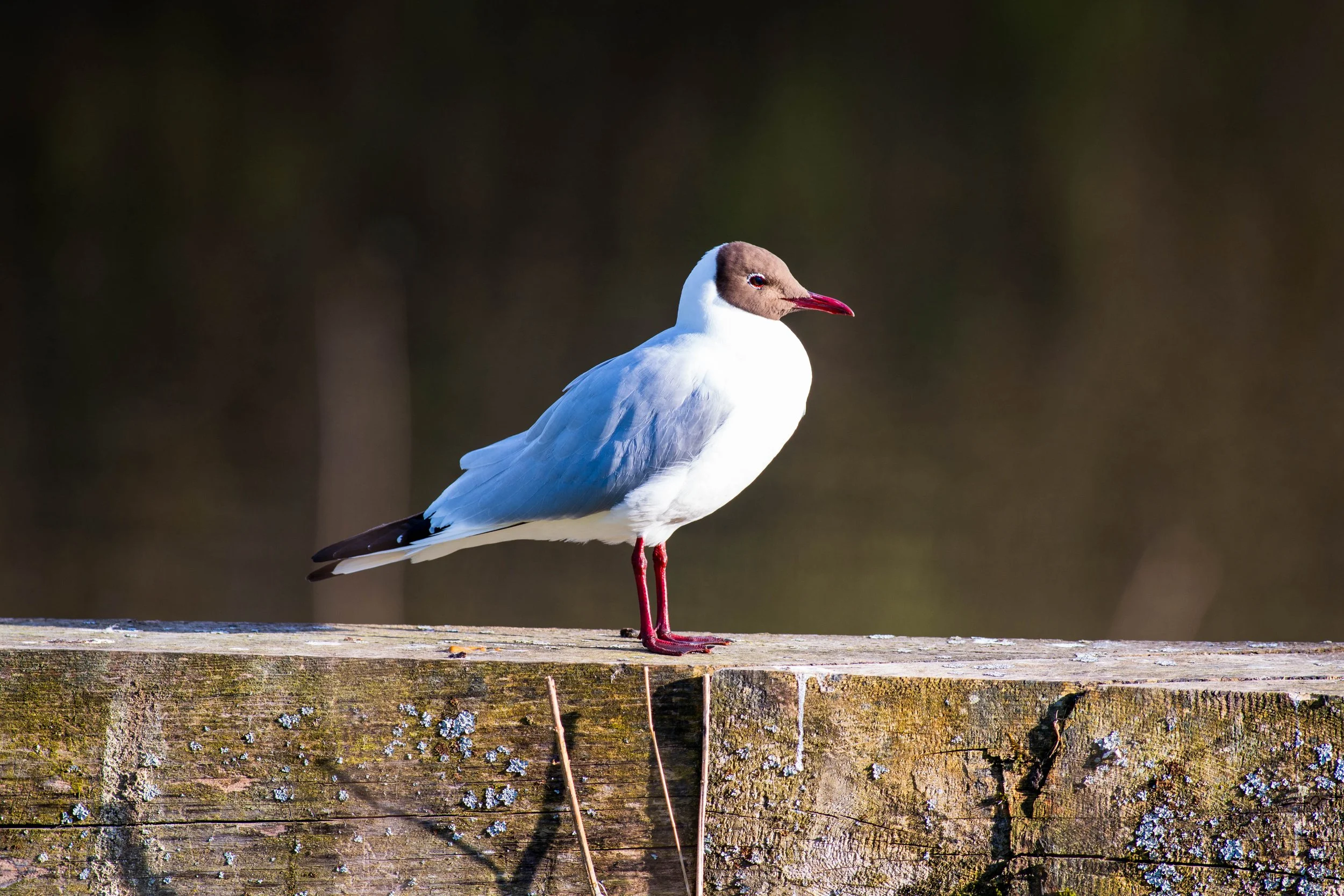
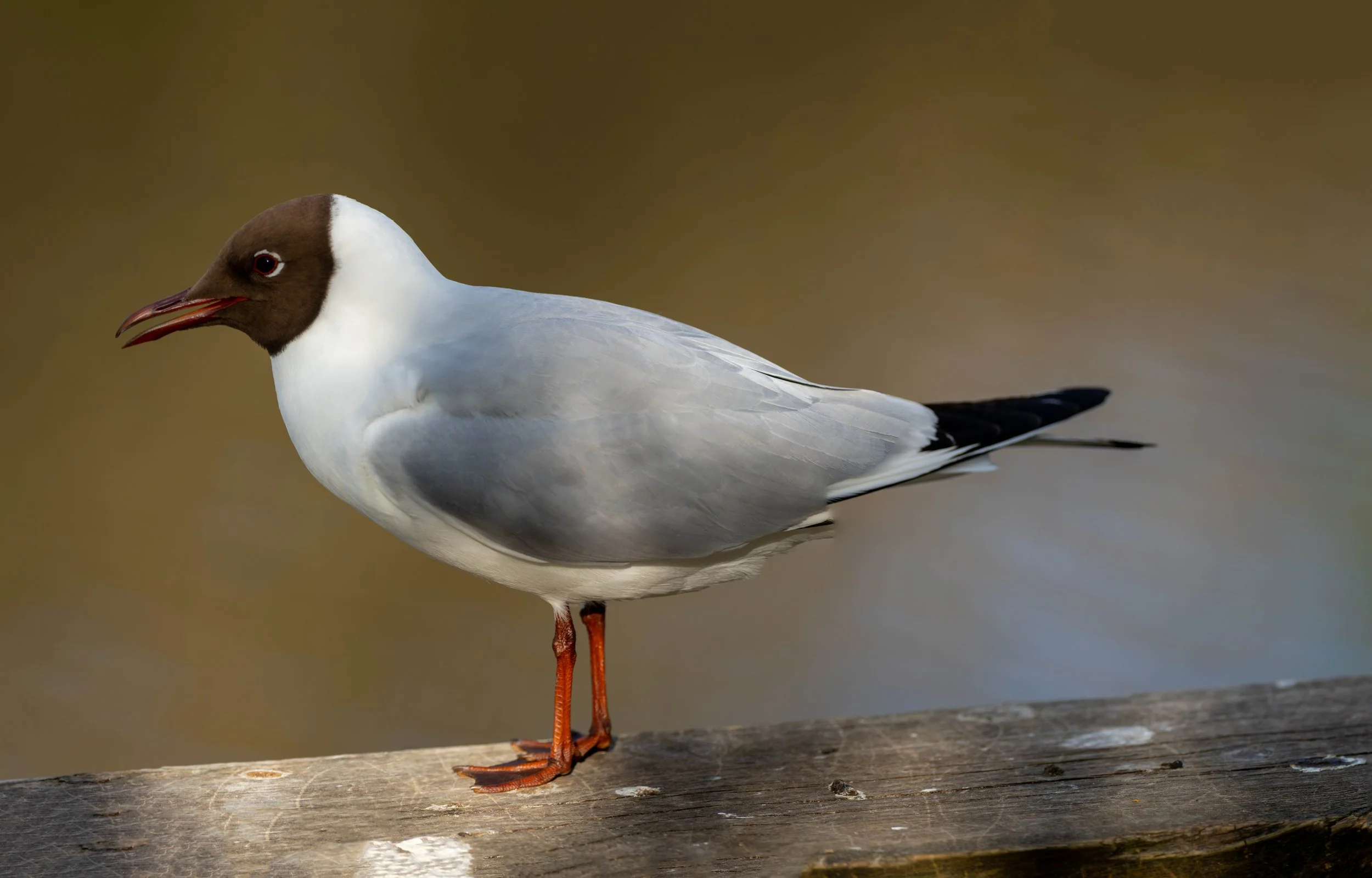
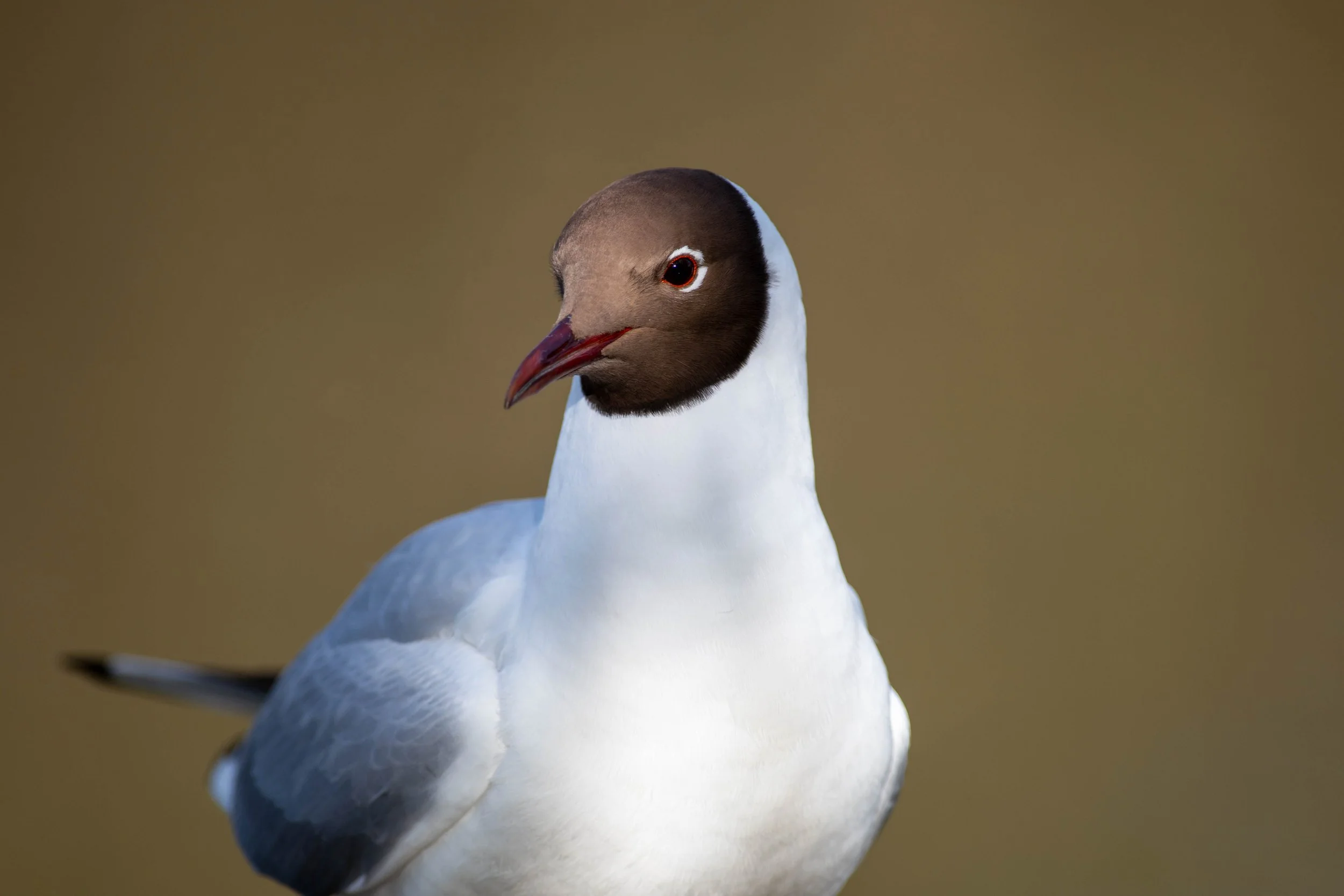
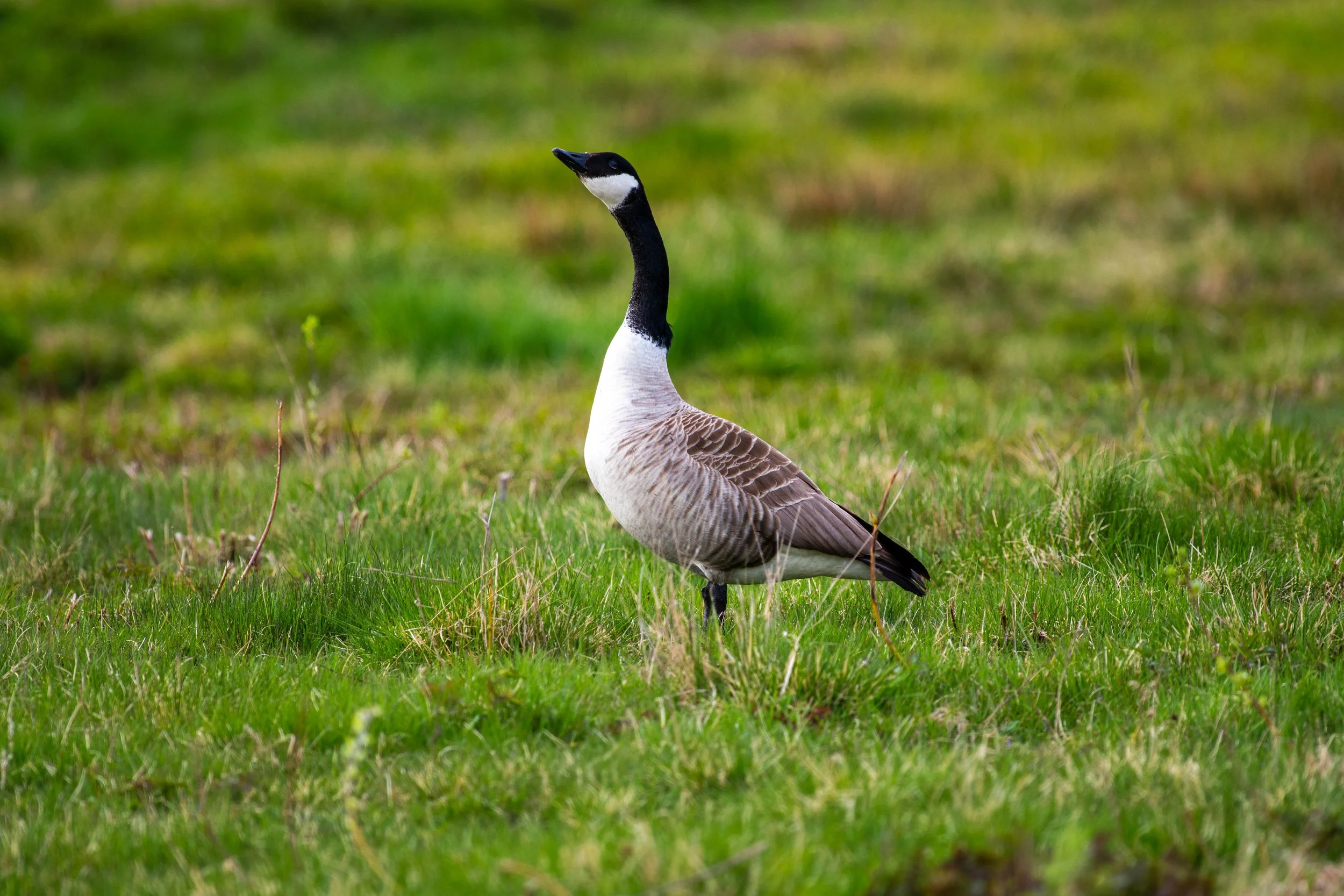
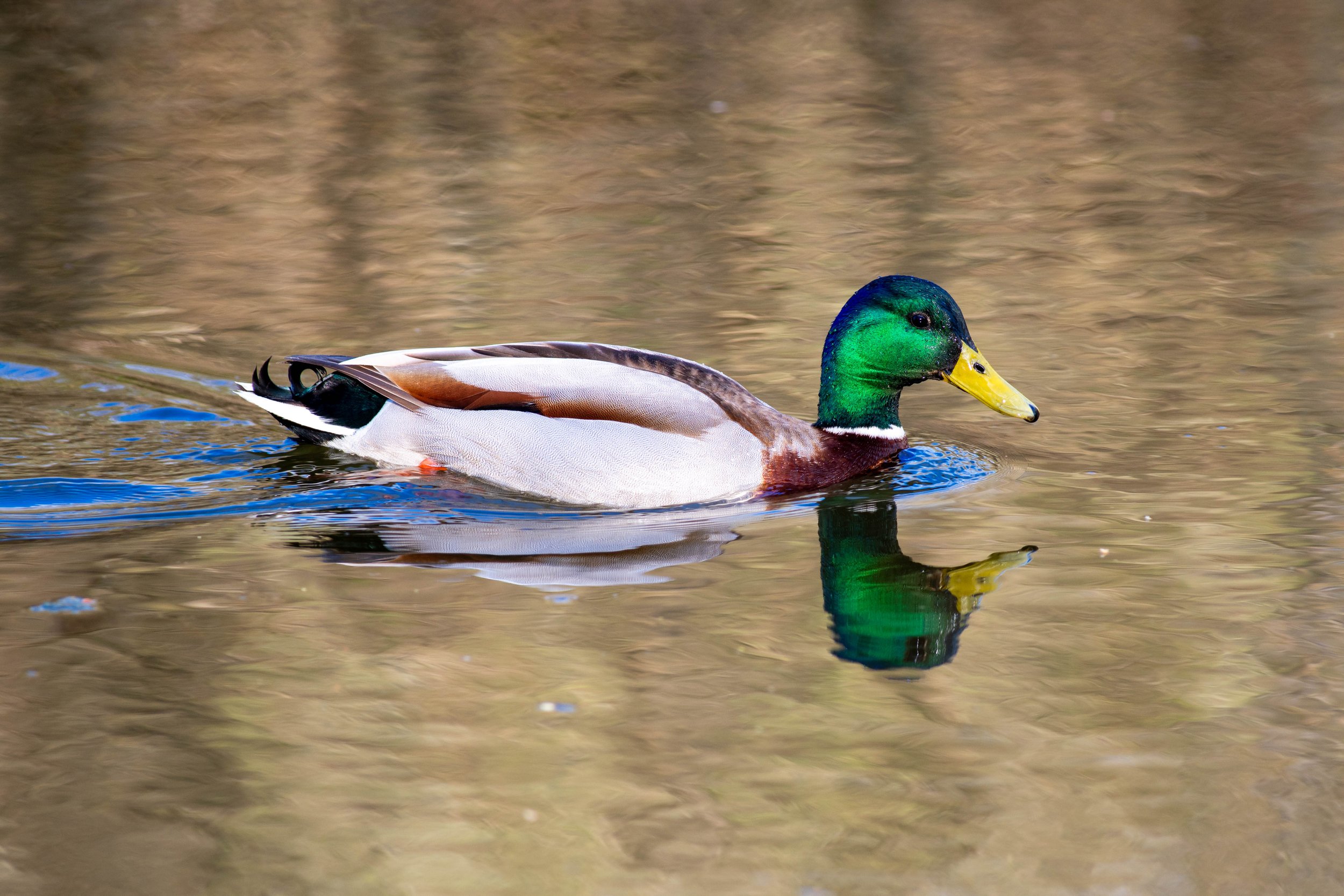
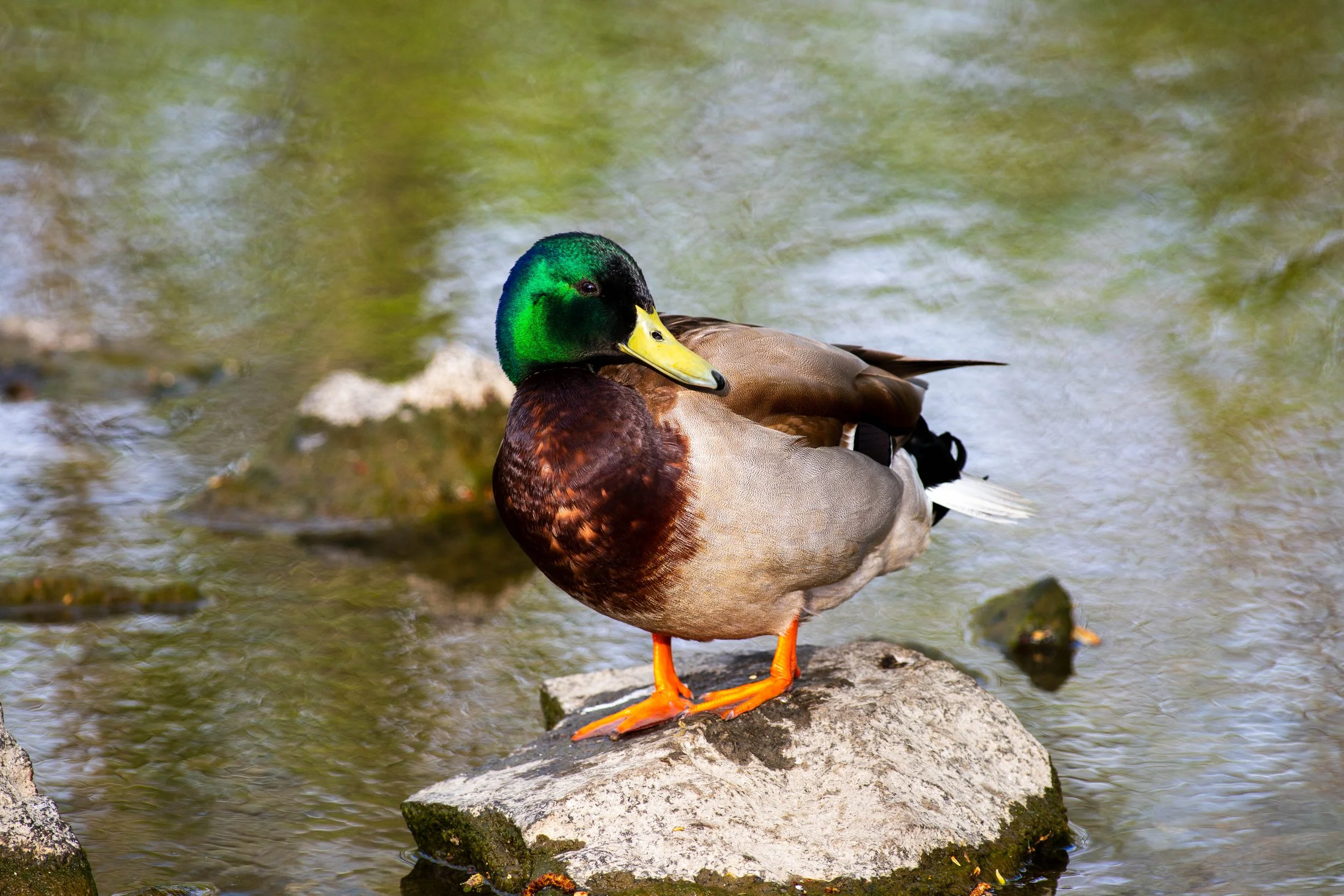
Østensjøvannet is famous among birdwatchers for a reason. More than 200 bird species have been recorded here, including:
Great crested grebe – a favorite among photographers for its elegant profile and elaborate courtship dance
Grey heron – often seen standing motionless in the shallows
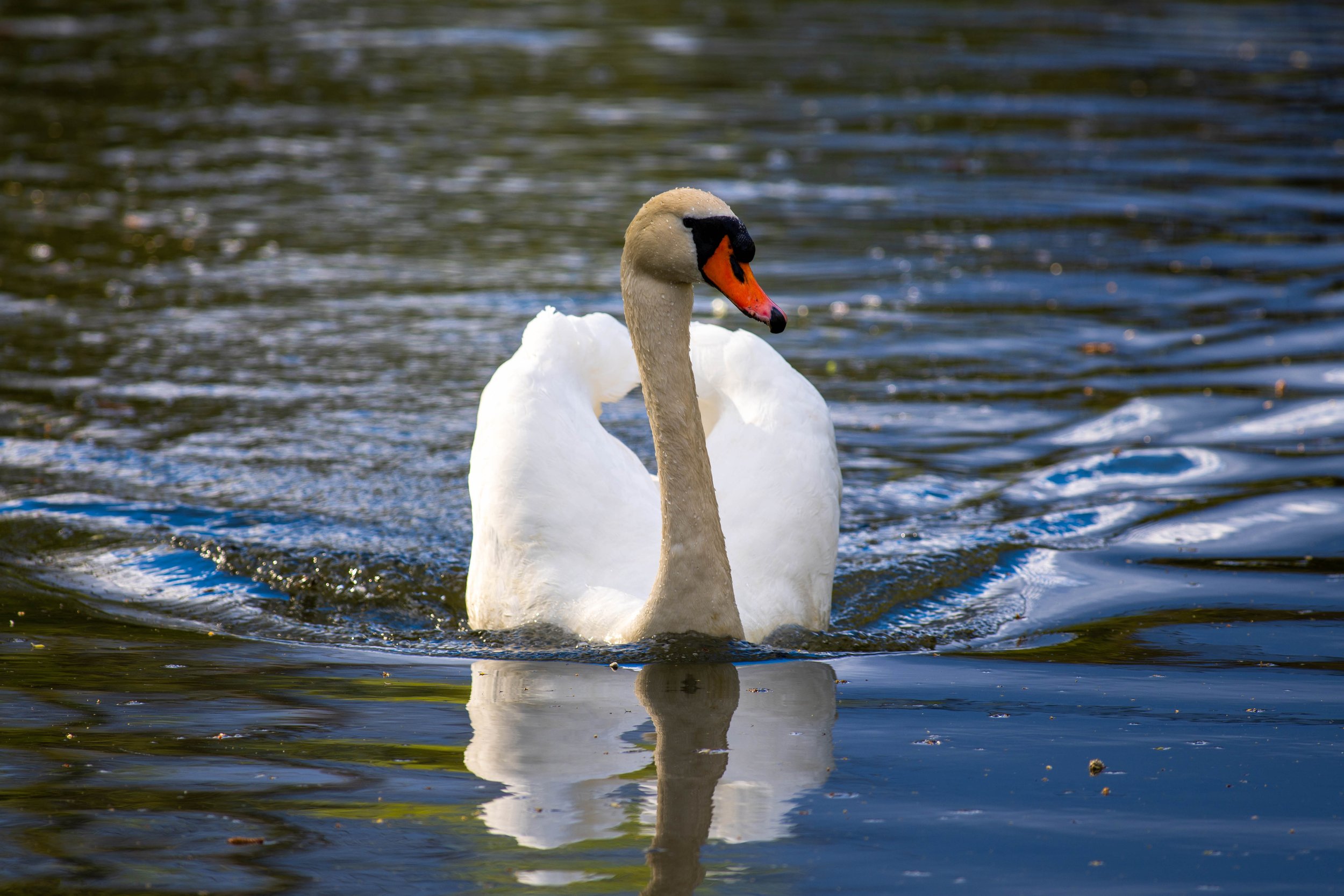
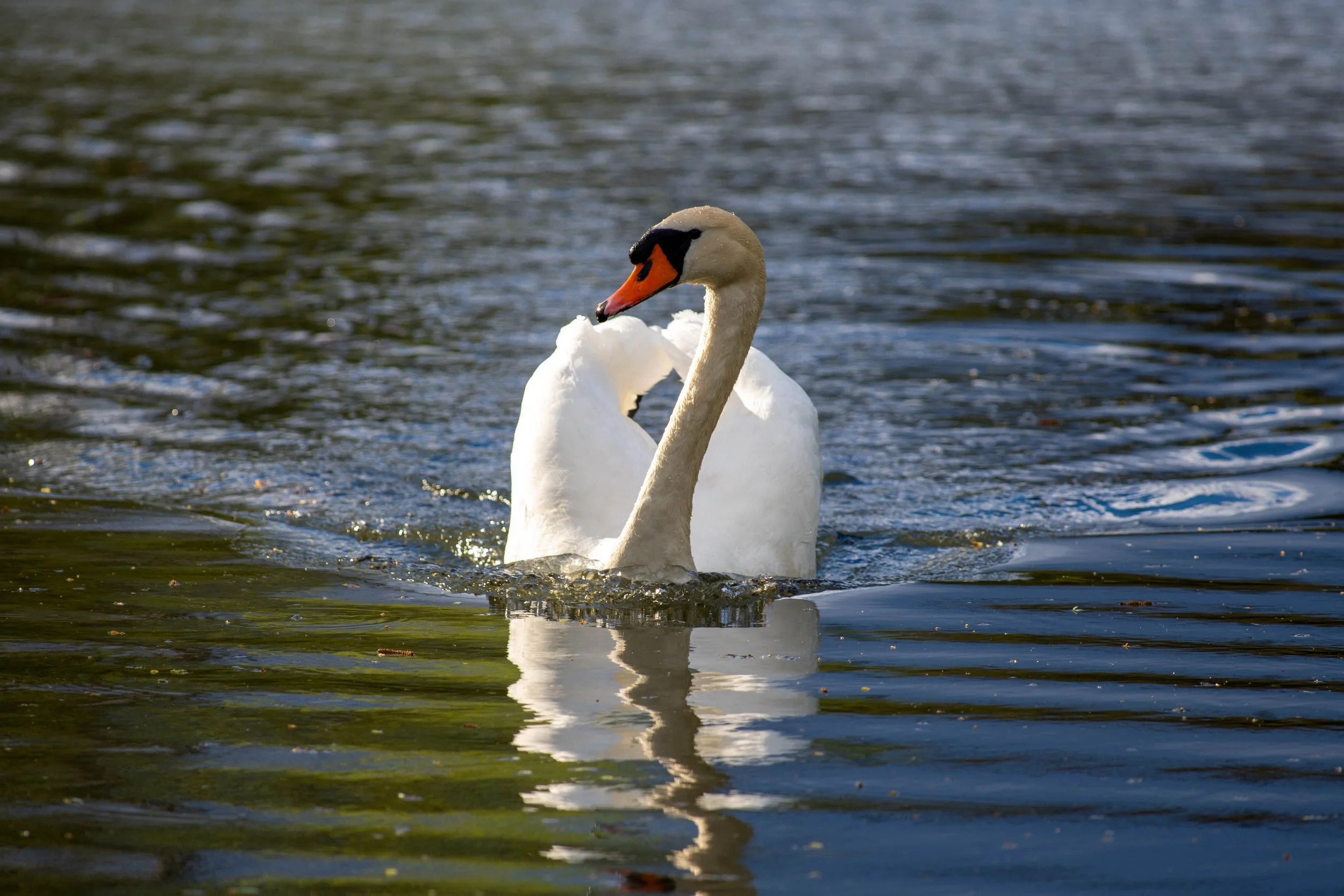
Mute swan – iconic, territorial, and striking in early morning light
Sparrowhawk, marsh harrier, and other raptors – patrolling the skies above the reeds
Warblers, reed buntings, and thrushes – filling the air with sound in spring and summer
During migration seasons, the lake becomes a rest stop for countless birds traveling between continents. For many species, Østensjøvannet is not just a nice place to visit—it is essential for survival. Bogerudmyra is particularly important for amphibians such as:
Common frog
Common toad
Smooth newt
These species rely on undisturbed, shallow wetlands for breeding. The marsh also supports dragonflies, damselflies, butterflies, and a wide range of insects that form the foundation of the food web. Foxes, roe deer, hedgehogs, and even the occasional beaver leave their marks around the lake. Most are shy, but patient photographers often catch glimpses at dawn or dusk.
Wetlands like Bogerudmyra and Østensjøvannet are among the most threatened ecosystems in Europe. They filter water, store carbon, reduce flooding, and provide irreplaceable habitat for wildlife. In a growing city, they also offer something more subtle but equally important: a sense of calm, space, and connection to the natural world.
For Oslo, this area functions as a green lung. For the species that live here, it is home. And for photographers, it is a reminder that world‑class nature doesn’t always require a long drive into the wilderness.
Light behaves beautifully around wetlands. Early mornings bring mist rising from the lake, soft reflections, and silhouettes of birds gliding low over the water. In summer, the reeds glow gold at sunset. In winter, frost transforms the marsh into a monochrome landscape full of texture and contrast.
Whether you’re shooting wildlife, landscapes, or abstract nature details, Bogerudmyra and Østensjøvannet reward patience and curiosity. The more time you spend here, the more the landscape reveals.
Because the area is protected, visitors are encouraged to stay on marked paths, keep dogs on a leash, and avoid disturbing nesting birds. These small acts of respect help ensure that the wildlife continues to thrive—and that future generations can experience the same sense of wonder.