Chapter 02: Lenses and other essential accessories
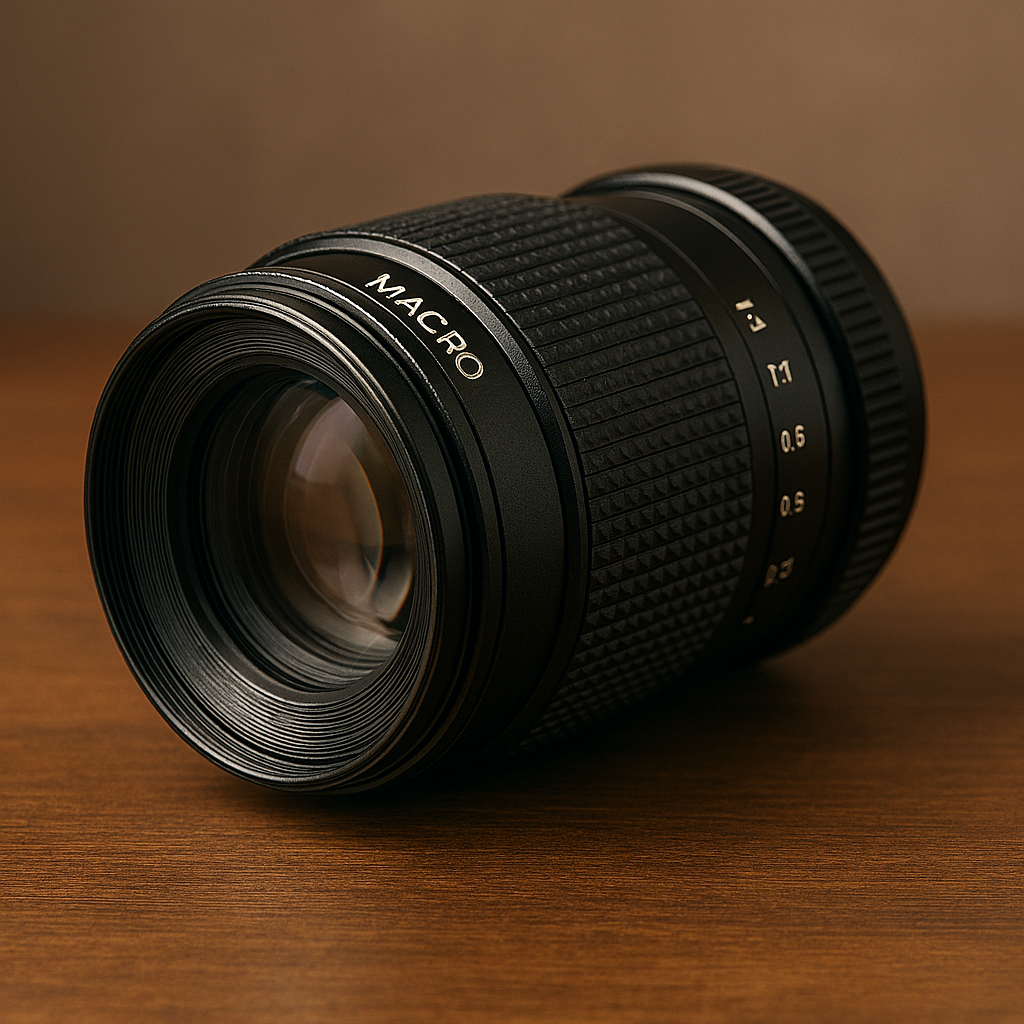
Filters are creative and practical tools. Filters are nott just for special effects as they solve real world problems that can’t be fixed in post. They also protect your lenses in case your camera and lens bumps into something, or you drop it to the ground.
There are several kinds of filters, and I am going to cover the most common ones here. Lenses comes in many diameters, so it is fairly easy to get filters for your lenses. The diameter of your lens often says on the front of your lens.
UV filters protect the front element and have minimal effect on image quality (good ones, at least). These filters are something you commonly have mounted on your lens all the time, unless you are replacing it with other lenses.
Polarizing filters (CPL) reduces reflections on water, glass, and shiny surfaces. They also deepen skies and increase contrast. A needed friend for landscape photographers.
Neutral Density (ND) filters allow long exposures in daylight. The long(er) expose time smooth out water, clouds, and motion. The most “extreme” ND filters give so long expose time that moving humans (and other things that move in the frame).
At the front of the lens there are filter threads that let you attach filters, and this is the most common way to mount them. However, there are also filters that attach to the lens magnetically. In that case, you screw a small magnetic ring onto the front of the lens, and the filters snap onto it easily. This makes switching filters simpler and faster. Both NiSi and Kase has a variety of magnetic filters.
On the picture below I used an ND1000 filter. An ND1000 reduces the light entering the lens by 10 stops. Only about 1/1000 of the original light reaches the sensor. The building is the royal palace in Oslo and about 50 persons walked back and forth in the frame while I took the picture. But because of the long expose time, none of them ended up in the image. On a general note, long exposure can ruin a picture, but when using a filter you can boost creativity. The same effect can be used on running water in waterfalls and rivers to make a “ghostly” effect on the image.
I found it much better to use LiveView / the screen on the back of the camera body instead of the optical viewfinder while using a filter that blocked out that much light. The same applies when using a IR-filter.

At the front of the lens there are filter threads that let you attach filters, and this is the most common way to mount them. However, there are also filters that attach to the lens magnetically. In that case, you screw a small magnetic ring onto the front of the lens, and the filters snap onto it easily. This makes switching filters simpler and faster. Both NiSiand Kasehas a variety of magnetic filters.
At the front of the lens there are filter threads that let you attach filters, and this is the most common way to mount them. However, there are also filters that attach to the lens magnetically. In that case, you screw a small magnetic ring onto the front of the lens, and the filters snap onto it easily. This makes switching filters simpler and faster. Both NiSiand Kasehas a variety of magnetic filters.